Bipolar disorder is divided into two subtypes; Bipolar I and Bipolar II. While people with Bipolar I experience at least one manic episode, people with Bipolar II may experience hypomania, a similar type of mood episode that does not disrupt functioning.
Overview
People with bipolar disorder experience mood “highs” and “lows,” or euphoric and depressive phases. While “highs” are characterized by increased energy and activity, depressive episodes are often marked by a low mood and loss of interest in daily life. To be diagnosed with Bipolar I, a person must experience at least one manic episode. If their mood “highs” do not qualify as a manic episode, they may be diagnosed with Bipolar II.
Mania
Manic episodes are often characterized by euphoria, or extreme elation; impulsivity, or rash decision-making; and grandiosity, or an inflated sense of superiority. People experiencing a manic episode may engage in risky sexual behaviors or abuse alcohol and drugs. They may experience distractibility and racing thoughts, often referred to as a “flight of ideas.” They may also notice a reduced need for sleep and increased interest in beginning new goal-based activities. Some people experiencing manic episodes have delusions or hallucinations. Manic episodes are not always characterized by an extremely happy mood; sometimes peoples going through manic episodes are very agitated and irritable. Manic episodes often lead to financial, career or relationship troubles. To be classified as experiencing a manic episode, the Diagnostic and Statistical Manual of Mental Disorders (DSM-IV) states that the person must experience at least three of these symptoms. The symptoms must last for at least one week, require hospitalization or include psychotic symptoms. Manic episodes are often followed by a “crash,” sometimes leading to a depressive episode.
Hypomania
People with Bipolar II also experience “highs.” To be classified as experiencing a hypomanic episode, a person must show three symptoms of mania. However, hypomania is distinguished from mania because it does not typically disturb daily functioning or require hospitalization. Instead of decreased functioning, a person experiencing hypomania (vs mania) may instead notice improved functioning, according to a 2004 study led by Franco Benazzi, MD, reported in the “Canadian Journal of Psychiatry.” A person experiencing hypomania may notice improved mood and increased energy, but not believe that is anything is wrong with his mental health. Like mania, hypomania is temporary, and may be followed by depressive episodes. If an episode lasts for less than one week, it may be classified as hypomania. In some cases, people originally diagnosed with Bipolar II go on to experience a manic episode and are diagnosed with Bipolar I.
Treatment
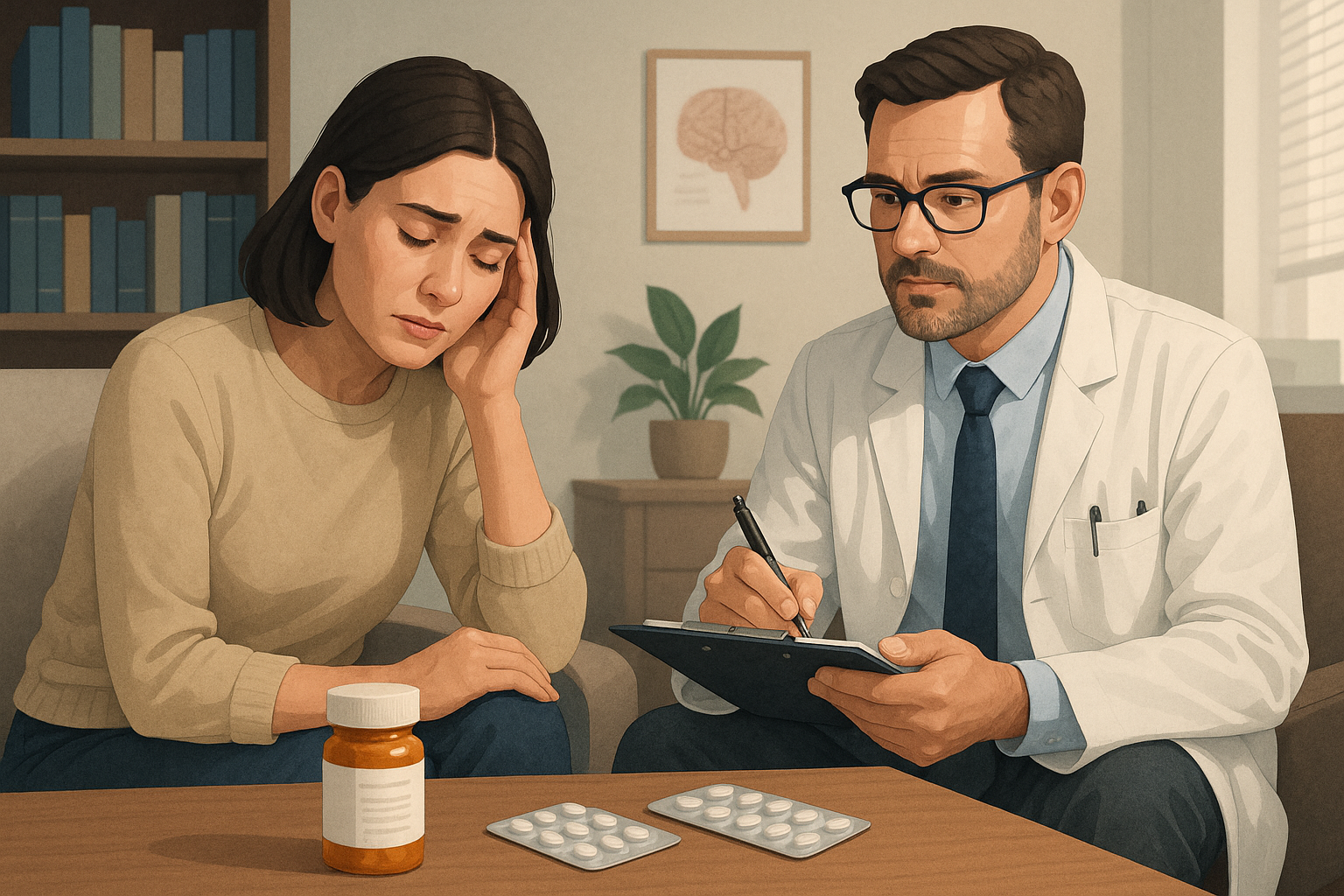
People with symptoms of Bipolar I or Bipolar II should seek professional advice from a mental health care provider and follow the recommended treatment routine. Some people who experience hypomania (vs mania) may feel they do not require treatment, but Bipolar II must be treated for depressive episodes to be controlled. Bipolar disorder can be treated with medication, therapy or a combination. While Bipolar I typically requires medications, usually mood stabilizers, people who experience mild or moderate hypomania may not require medication. They may notice symptom improvement by developing proper self-care strategies, such as eating a healthy diet, performing regular physical activity and establishing an adequate sleep schedule. They may also find it helpful to work with a therapist to identify hypomania triggers, such as stress or loud crowds.
References
AllPsychOnline: Bipolar Disorder (Manic-Depression)
Harvard Health Publications: Ask the Doctor: What is Hypomania?
Canadian Psychiatric Association: Level of Functioning of Bipolar II Disorder