Practical hydration habits are essential for maintaining health and comfort during hot weather errands, helping prevent dehydration and supporting overall well-being.
Understanding the Importance of Hydration in Hot Weather
Hot weather increases the body’s need for fluids as it works harder to regulate temperature through sweating. When running errands in the heat, staying hydrated is crucial to avoid dehydration, which can cause fatigue, dizziness, and impaired concentration. Water is the best choice for hydration because it replenishes fluids without added calories or sugars. Proper hydration supports physical performance and cognitive function, keeping you alert and energized throughout your tasks.
Planning Your Hydration Before Heading Out
Start hydrating before you leave the house by drinking a glass or two of water. This preemptive step helps build a fluid reserve and reduces the risk of becoming thirsty during your errands. Avoid excessive caffeine or alcohol before going out, as these can increase fluid loss. Consider the duration and intensity of your planned activities as well as the outdoor temperature when determining how much water to drink beforehand.
Carrying Water with You
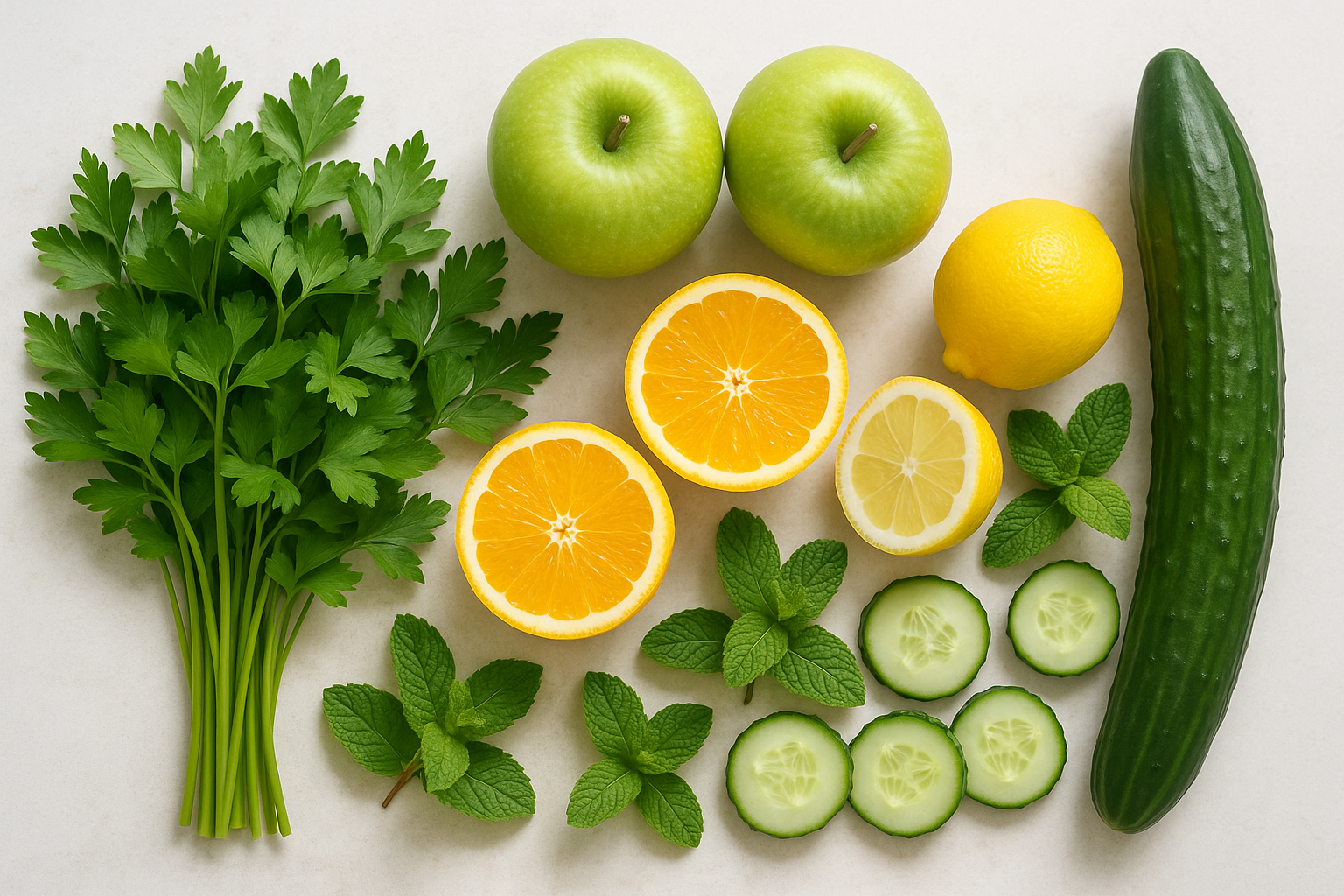
Bringing a reusable water bottle on your errands is one of the simplest ways to maintain hydration. Insulated bottles can keep water cool for hours, making it more refreshing to drink. Aim to sip water regularly rather than waiting until you feel very thirsty, as thirst is a sign that your body is already somewhat dehydrated. If you prefer flavored drinks, add fresh fruit slices or herbs to your water for a natural taste boost without added sugars.
Choosing Hydrating Foods on the Go
In addition to drinking water, eating water-rich foods can contribute to hydration. Fresh fruits and vegetables like watermelon, cucumber, oranges, and strawberries have high water content and provide important vitamins and minerals. Packing these snacks or purchasing them during errands can help maintain hydration and provide energy. Avoid salty or heavily processed snacks that can increase thirst and fluid loss.
Recognizing Signs of Dehydration
It’s important to recognize early signs of dehydration, especially when outdoors in hot weather. Symptoms include dry mouth, headache, dark-colored urine, dizziness, and fatigue. If you notice these signs, find a cool place to rest and drink water slowly but steadily. Severe dehydration can require medical attention, so consult a healthcare professional if symptoms worsen or do not improve.
Adjusting Hydration for Physical Activity
If your errands involve physical activity like walking briskly, carrying heavy bags, or climbing stairs, your hydration needs increase. Sweat causes fluid loss that must be replaced to maintain body functions. Take breaks to drink water and avoid overexertion during the hottest parts of the day, typically between 10 a.m. and 4 p.m. Wearing lightweight, breathable clothing and a hat can also help reduce sweat loss.
Avoiding Sugary and Caffeinated Beverages
While it might be tempting to reach for soft drinks or caffeinated beverages during errands, these can contribute to dehydration. Sugary drinks add unnecessary calories and may cause a quick spike and drop in energy. Caffeine is a mild diuretic and can increase fluid loss, especially in larger amounts. Opt for plain water or herbal teas to maintain hydration without these downsides.
Cooling Strategies to Support Hydration
Using cooling methods can reduce the body’s need for excess sweating and fluid loss. Applying a damp cloth to the neck or wrists, seeking shade, or entering air-conditioned stores can help regulate body temperature. Cooling your environment when possible supports hydration by lowering the amount of water your body needs to expend to stay cool.
Practical Tips for Consistent Hydration
- Carry a water bottle with you everywhere
- Set reminders on your phone to take water breaks
- Choose water-rich snacks like fruits and vegetables
- Avoid excessive caffeine and alcohol before and during errands
- Dress appropriately for the heat with breathable fabrics
Hydration and Sleep After a Hot Day
Good hydration during the day can support better sleep, but avoid drinking large amounts right before bedtime to reduce nighttime bathroom trips. Consistent hydration helps maintain overall energy levels and supports the body’s repair processes during sleep. Establishing a routine that balances fluid intake throughout the day contributes to restful nights.
When to Consult a Healthcare Professional
If you have chronic health conditions such as asthma, heart disease, or kidney problems, your hydration needs might differ. Certain medications can also affect fluid balance. Consult your healthcare provider for personalized advice on hydration during hot weather and while running errands, especially if you experience frequent dehydration symptoms or heat intolerance.
Staying well-hydrated during hot weather errands is a simple but critical habit for maintaining health and comfort. Planning ahead, carrying water, choosing hydrating foods, and recognizing signs of dehydration help you stay safe and energized. By making these hydration habits part of your routine, you can better enjoy your day and support your overall well-being.