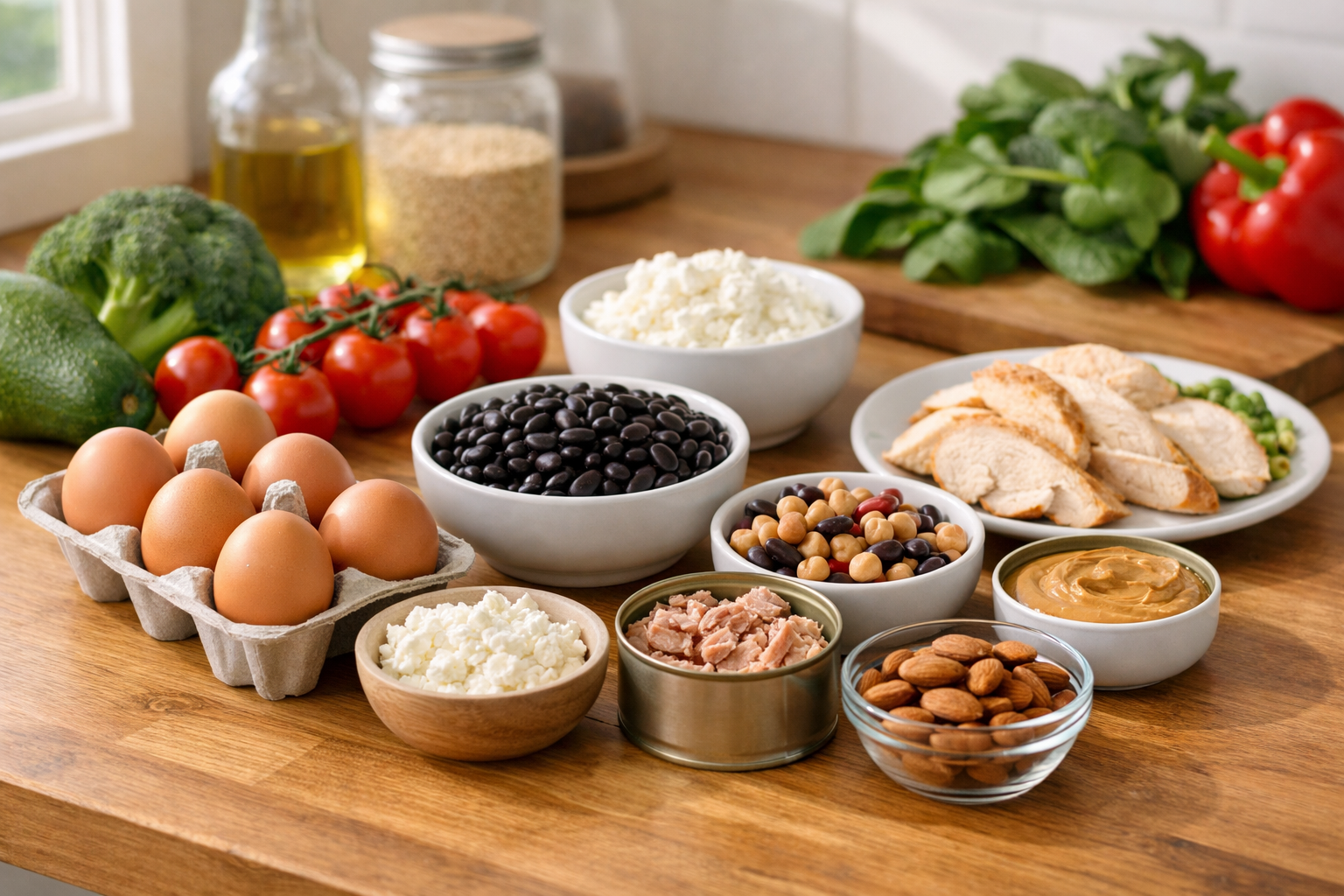
Explore affordable and nutritious protein options that help create balanced meals without straining your budget while supporting overall health and wellness.
Understanding the Importance of Protein in Balanced Meals
Protein plays a key role in maintaining muscle mass, supporting immune function, and keeping you feeling full between meals. For adults, including moderate physical activity like brisk walking can increase protein needs slightly, especially when combined with muscle-strengthening exercises. Choosing affordable protein sources helps you maintain a balanced diet without overspending. Balanced meals generally combine protein with vegetables, whole grains, and healthy fats to support heart health and overall well-being.
Affordable Animal-Based Protein Sources
Animal proteins often provide complete amino acids necessary for the body. Budget-friendly options include eggs, canned tuna or salmon, and chicken thighs or drumsticks, which tend to cost less than breast meat. Buying larger packages and freezing portions can save money and reduce waste. Remember to refrigerate leftovers promptly and use them within 3 to 4 days or freeze them for longer storage to maintain safety and quality.
Plant-Based Proteins for Cost-Effective Nutrition
Beans, lentils, and chickpeas are excellent plant-based protein sources that are both nutritious and inexpensive. Dry beans and lentils are especially affordable when bought in bulk and can be cooked in large batches for multiple meals. These legumes also provide fiber, which supports digestive health and helps manage hunger. Incorporating tofu or tempeh, which can be found at reasonable prices in many stores, adds variety and essential nutrients like calcium and iron.
Incorporating Dairy and Dairy Alternatives
Low-fat dairy products such as yogurt, cottage cheese, and milk are good sources of protein and calcium. Opt for plain varieties to reduce added sugars. For those who prefer dairy alternatives, fortified soy milk offers comparable protein content. Checking Nutrition Facts labels can help you select products with lower sodium and saturated fat, fitting heart-healthy dietary recommendations.
Using Nuts, Seeds, and Nut Butters Wisely
While nuts and seeds can be pricier per serving, they provide healthy fats, protein, and fiber. Purchasing them in bulk or choosing store brands can reduce costs. A small handful or a tablespoon of nut butter adds flavor and nutrition to snacks and meals. Keep portions moderate to balance calorie intake, and store these items in cool, dry places to prevent spoilage.
Smart Shopping Tips to Stretch Your Protein Budget
Planning meals ahead and making grocery lists can prevent impulse buys and food waste. Look for sales on proteins and consider frozen options, which often retain nutrients and are less expensive than fresh. Comparing unit prices helps identify the best deals. Using coupons or store loyalty programs can also lower costs. When buying packaged proteins, reviewing the Nutrition Facts label ensures you choose options with favorable nutrient profiles.
Simple Meal Ideas Featuring Budget Proteins
Try a stir-fry with frozen vegetables and chicken thighs served over brown rice, or a hearty lentil soup with carrots and onions. Eggs can be scrambled with spinach and tomatoes for a quick breakfast or dinner. A tuna salad with canned tuna, beans, and chopped veggies makes a nutritious sandwich filling or salad topping. These meals are quick, satisfying, and keep your protein intake balanced.
Food Safety Practices for Protein Preparation and Storage
Proper food handling is essential to prevent foodborne illness. Wash hands before and after handling raw proteins. Cook meats to recommended temperatures and refrigerate leftovers promptly. Use refrigerated leftovers within 3 to 4 days or freeze them to extend freshness. Keeping your kitchen clean and storing foods in airtight containers also reduces spoilage and contamination risks.
Staying Hydrated to Support Protein Metabolism
Water is a vital part of a balanced diet and helps your body process protein efficiently. Drinking water instead of sugary beverages reduces calorie intake and supports overall health. Hydration needs vary based on activity, weather, and individual health, so listen to your body and drink regularly throughout the day.
Final Thoughts on Balanced, Budget-Friendly Protein Choices
Eating well on a budget is achievable by selecting a variety of protein sources, planning meals, and practicing safe food handling. Combining affordable animal and plant proteins with whole grains and vegetables creates meals that nourish your body and support long-term health. For personalized advice, especially if you have health conditions or dietary restrictions, consult a qualified healthcare professional or registered dietitian.