Can we get all the proteins we need from an all-vegetarian diet? Are plant proteins complete or deficient in certain essential amino acids? How can a person get all the proteins that he/she needs while sticking to a 100 percent vegetarian diet? This article explores all these issues.
Getting Enough Protein as a Vegetarian
Vegetarianism was considered to be a crazy idea before the seventies. Most Americans believed that proteins were available in animal sources alone and that vegetarians were denying themselves the proteins that their bodies required. “Diet for a Small Planet,” written by Frances Moore Lappe, a democracy and social change activist, changed this mode of thinking and launched vegetarianism in America.
How much protein do we need?
No medical authority or diet expert knows for sure exactly how much protein we require. Since the experts are unable to agree upon a common figure, we are left with a wide range of 2.5 – 8 percent of our total diet to choose from.
Does vegetarian food contain proteins?
Even if our protein requirement is 8 percent of the total diet, we can obtain it all from an all-vegetarian diet. Almost every plant source contains protein, right from the soybean to the honeydew melon. Here is a brief list of vegetarian food that contains protein.
Soybean: The humble soybean is the richest vegetarian source of protein, which accounts for large quantities of tempeh, tofu, soy hot dogs, soy burgers, and other soy products in the market.
Legumes: Kidney beans, lentils, lima beans, split peas, and so on.
Grains: Rice, millet, rye, barley, wheat, and so on.
Fruits: Apples , bananas, grapes, honeydew melons, papayas, pears, strawberries, watermelons , and so on.
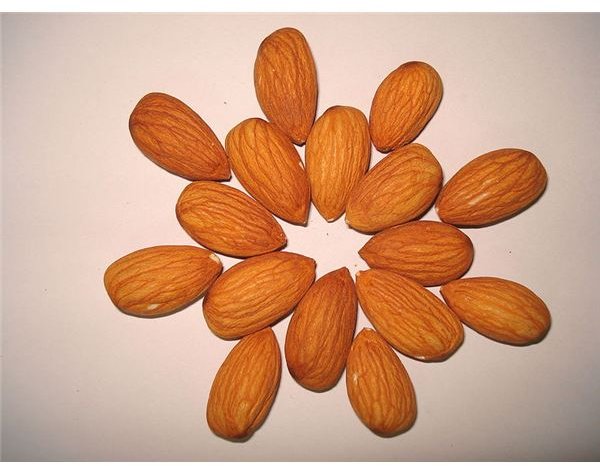
Nuts and Seeds: Filbert, hemp seeds , pumpkin seeds, sunflower seeds, black walnuts, and so on.
Are plant proteins inferior?
A number of theories have been presented on the inferior nature of plant proteins. Many believe in the myth that plant proteins are incomplete or inferior. Perpetrators of this myth hold that there is no plant source that contains all the essential amino acids (components of proteins). For this reason, vegetarians are taught to mix and match a variety of vegetarian foods in order to create a protein-perfect source of food. By such “protein combining” or “protein complementing,” vegetarians ensure that the surplus of a particular amino acid in one vegetarian food would make up for the lack of it in another.
Debunking the Myth
Unfortunately, the very book “Diet for a Small Planet” that launched vegetarianism in America planted the myth that plant proteins are inferior and taught “protein combination.” When later research revealed that plant proteins are perfect and complete, Lappe agreed that she had made a mistake. In the 1982 edition of her book, she claimed that protein combination is not necessary as plant proteins are complete. Lappe wrote that a vegetarian diet simply cannot lack the required proteins. In other words, a vegetarian is just not in danger of becoming protein deficient.
As pointed out by Dr. John McDougall, medical doctor, diet and lifestyle expert, and founder of McDougall Program, single unrefined starches such as wheat, potatoes, corn, and rice contain all the essential and non essential amino acids. And the quantity in which these amino acids are present far exceeds the quantity that an individual requires.
How do vegetarians get enough proteins?
Vegetarians get enough proteins by simply sticking to their vegetarian diet! Since most vegetarians eat a varied diet of fruits, vegetables, pulses, nuts, seeds, cereals, and legumes, they naturally get more protein than is required by their bodies.
Avoid an all-fruits diet or an all-tubers diet; and also steer clear of sugary junk foods. You can rest assured that you are getting all the protein you need simply by eating a wide variety of vegetarian foods.
Sources:
1. Vegetarian Society https://www.vegsoc.org/info/protein.html
2. Vegetarian Guide https://michaelbluejay.com/veg/history.html#complementing
Related Articles
Bright Hub has several informative and helpful articles on the vegetarian diet . Here are a few that may interested you:
Top 5 High-Protein Nuts & Seeds
How Healthy Vegetarians Can Satisfy Meat Cravings
Top 5 Meat Substitutes for Vegetarian Diets