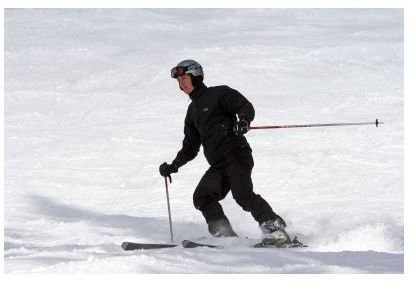
There are many physical fitness components of downhill skiing. Not only will you receive a great lower body workout, but you will also engage the core muscles in the back, the abs and the pelvis. Continue reading to learn more about the health related fitness components in downhill skiing.
Don’t Let a Little Snow Disrupt Your Workout Routine
Although winter weather can wreak havoc on many of the outdoor workouts people enjoy, downhill skiing is a snow-friendly sport that is known for its ability to work the lower body. Some of the physical fitness components of downhill skiing include giving the body a thorough cardiovascular workout and helping to tone muscles in the lower body. These are just two of the many health related fitness benefits of downhill skiing.
Downhill skiing can also give people a fun hobby to participate in during the cooler months. Who says that the winter months have to consist of staying home in your jammies, keeping warm and putting on extra weight? When you find a variety of activities and sports to participate in throughout the year, you can continue to stay fit and accomplish your fitness goals.
Don’t worry if you aren’t an avid skier, even beginners can take advantage of the excellent physical and cardiovascular benefits of downhill skiing. Just remember to always practice safety first and to make sure all your skiing equipment is in proper working condition.
Physical Fitness Components of Downhill Skiing
While weather conditions can present a bit of a challenge, skiing is an intense sport that many people enjoy. When you glide downhill on skis, you use the strength in your stomach muscles, back, and legs to keep your balance. This type of strength training is called balance fitness.
By training the muscles using balance fitness, you engage the core muscles in the abdomen, pelvis, and the lower back. Balance fitness also gives the core muscles in the abdominals and the lower back a great workout.
Another benefit of downhill skiing is the affect it has on the lower body. Since many women tend to have problems with losing weight in the lower body, downhill skiing is a great sport for them to participate in, since it adequately works all of these muscle groups. By working the larger muscles in the legs you are helping to strengthen and tone them. Other muscles that will also feel the burn are the inner thighs and the outer thighs, as well as the hips. The gluteus maximus is one of the largest muscles of the gluteal muscle group and it will also receive a great workout.
Health Related Fitness Components of Downhill Skiing
Downhill skiing also helps people with cardiovascular conditioning. By working the larger muscle groups in the legs, such as the hamstrings and quadriceps, the heart rate will increase at a faster rate than when using the smaller muscles groups in the body. Working the larger muscle groups also helps to burn more fat during a workout as well.
The longer you ski the more health benefits you will experience. Since downhill skiing is considered moderate physical activity , it is recommended that you participate in this sport at least two and a half hours a week. These sessions can be broken into 45 minute segments 5 times a week or you can combine skiing with a more vigorous physical activity to meet your weekly exercise quota.
There are many different health related fitness components in downhill skiing that help to benefit the body as a whole. When you learn more about the physical fitness components of downhill skiing you can plan your winter fitness routine accordingly.
Sources
https://www.womenshealth.gov/FitnessNutrition/stayingactive/activity.cfm
https://www.mayoclinic.com/health/fitness-training/HQ01305/NSECTIONGROUP=2
Photo by : Freedigitalphotos.net