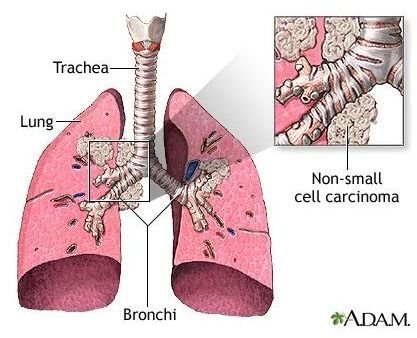
Cancer that is initially in the breast and lung has a high probability of spreading to the spine meaning that it has metastasized. Learn more about the symptoms of spinal metastatic disease.
Metastases occurs when cancer spreads from one area of the body to another. For example, cancer may spread from the lung to the stomach. Spinal metastatic disease occurs when cancer spreads from the primary cancer site to the spine.
The spine is the third most common location for metastases to occur in, often as the result of an original diagnosis of lung or breast cancer that has metastasized. General symptoms of spinal metastatic disease include pain, sometimes from vertebral compression or collapse, nerve damage, muscle weakness and possible loss of control of the bowels or bladder.
Roughly 70 percent of patients experience spinal metastatic disease. Of those, only about 10 percent will present with symptoms.
Pain
Pain in the back or neck is the most common initial symptom of spinal metastatic disease, and it is sometimes mistaken for arthritis, back strain or osteoporosis. Back pain that is from spinal metastatic disease may be exacerbated by rest, inactivity, lifting or standing. The pain is often localized to the area where the cancer has spread to. If the mestastases occurs in the lumbar region, pain may be felt in the lower back or even legs. If the cancer has spread to the thoracic region of the spine, pain might be felt in the arms, chest or neck.
The metastasized tumor can impact the spine in several different ways, and each may cause different symptoms and require a different treatment protocol. The tumor may have invaded the spine and replaced the bone marrow, requiring treatment with radiation and chemotherapy.
Nerve Damage and Compression
If the tumor has weakened a sufficient area of the vertebra, a fracture could result requiring minimal treatment if the break is mild or surgery for severe fractures.If the tumor continues to spread outside of the vertebra, it could put significant pressure on the spinal cord resulting in pain, weakness or even paralysis which could also lead to surgical intervention for treatment.
Spinal cord compression can cause numbness and loss of sensation, usually in the arms or legs. If the parasthesia is severe enough, the patient may have difficulty detecting hot and cold temperatures or feeling injuries. Continued and severe nerve damage can result in temporary or permanent paralysis.
Muscle Weakness
Muscle weakness is often experienced by patients suffering from spinal metastasic disease. As the muscle weakness progresses, movement may become limited and atrophy of the limbs may occur. Since the bowels and bladder are controlled by muscles, loss of bowel or bladder control may occur.
References
Medscape: Spinal Metastasis and Metastatic Disease to the Spine and Related Structures: https://emedicine.medscape.com/article/1157987-overview
Massachusetts General Hospital: Metastatic Tumors to the Brain and Spine: https://neurosurgery.mgh.harvard.edu/abta/mets.htm#SYMPTOMS _3
New York Presbyterian Hospital: Spinal Tumors (Primary, Metastatic): https://nyp.org/health/spinal-tumors.html
Lifebridge Health: Cancer Types: Spinal Metastases: https://www.lifebridgehealth.org/body.cfm?ID=3283