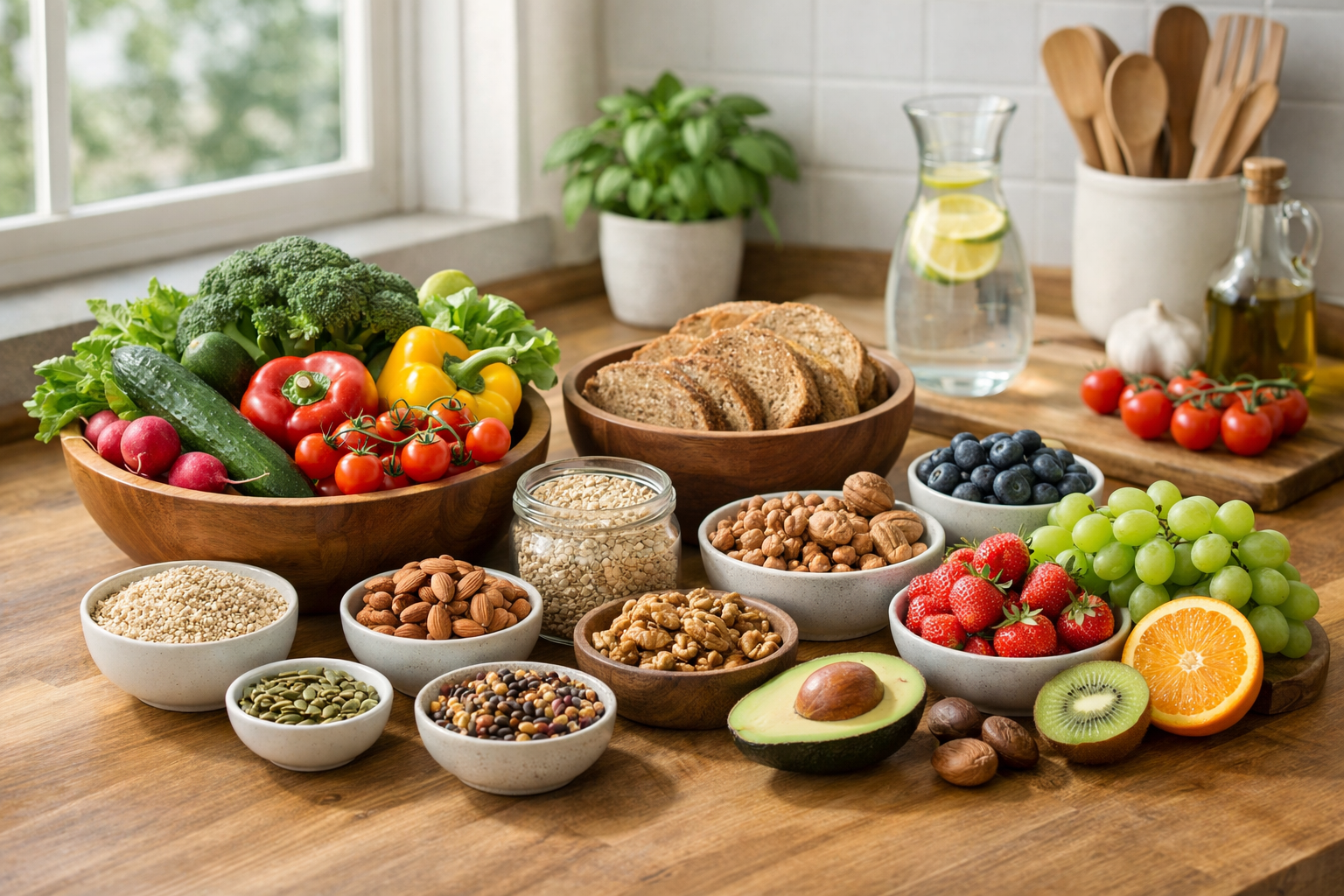
Gradually incorporating fiber-rich foods into everyday meals supports digestion, heart health, and sustained energy while minimizing digestive discomfort during the adjustment period.
Adding fiber-rich foods to your diet is a smart move for overall health, but making sudden changes can cause digestive discomfort. Gradual introduction helps your body adjust smoothly, allowing you to enjoy the benefits of fiber such as better digestion, heart health, and stable energy levels. This article explores practical ways to add fiber to your daily meals without upsetting your digestive system.
Understanding Dietary Fiber and Its Benefits
Dietary fiber comes from plant-based foods and is essential for digestive health. It helps regulate bowel movements, supports gut bacteria, and can lower cholesterol levels. There are two types of fiber: soluble, which dissolves in water and can help lower blood sugar and cholesterol, and insoluble, which adds bulk to stool and helps prevent constipation. Including a variety of fiber types in your diet promotes a healthy digestive system and reduces the risk of chronic diseases.
Why Gradual Increase Matters
Increasing fiber intake too quickly can lead to bloating, gas, and cramps because your digestive system needs time to adjust to the increased bulk and fermentation by gut bacteria. Gradually adding fiber-rich foods over several weeks allows your gut to adapt, reducing discomfort. Start by adding small servings of fiber-rich foods and increase portions slowly. Drinking plenty of water alongside fiber intake also helps fiber move smoothly through your digestive tract.
Starting With Fiber-Rich Breakfast Options
Breakfast is a great opportunity to add fiber. Choose whole-grain cereals or oats instead of refined grains. For example, a half-cup of cooked oatmeal provides about 2 grams of fiber and can be topped with fresh berries or a tablespoon of ground flaxseed for an extra boost. Whole-grain toast with natural peanut butter or avocado slices is another simple option. These choices provide a balanced mix of soluble and insoluble fiber while being gentle on digestion when introduced gradually.
Adding Fiber to Lunch and Dinner
Incorporate vegetables, legumes, and whole grains into your midday and evening meals. Start by adding a small side salad with mixed greens, carrots, and cucumbers or a half-cup of cooked beans like black beans or lentils. Swap out white rice for brown rice or quinoa in small amounts to increase fiber without overwhelming your digestive system. Roasted vegetables like Brussels sprouts or sweet potatoes are fiber-rich and flavorful additions. Introducing these foods slowly helps your digestive system adjust.
Incorporating Nuts, Seeds, and Fruits
Snacks are another easy way to add fiber. Nuts and seeds such as almonds, chia seeds, or sunflower seeds provide fiber along with healthy fats and protein. Start with small handfuls to prevent digestive upset. Fresh fruits like apples, pears, and berries are naturally high in fiber and can be eaten whole or added to yogurt or salads. Remember to wash fruits thoroughly and eat with the skin when possible, as the skin often contains the most fiber.
Hydration and Fiber: A Crucial Pair
Fiber works best when paired with adequate fluids. Water helps fiber swell and move through the digestive tract, preventing constipation and discomfort. Aim to drink water throughout the day, especially as you increase fiber intake. Replace sugary drinks with water to support hydration without extra calories. If you experience bloating, increasing water intake can often help alleviate symptoms.
Tips for Monitoring Your Body’s Response
Pay attention to how your body reacts as you add fiber. Mild bloating or gas is common initially but should decrease over time. If symptoms persist or worsen, slow the rate of increase or consult a healthcare professional. Keeping a food and symptom diary can help identify which foods work best for you. Everyone’s digestive system is unique, so personalizing your fiber intake is important.
Practical Meal Ideas to Start Today
Here are simple ways to begin adding fiber gradually:
- Add a tablespoon of chia seeds to your morning smoothie.
- Include a small side salad with lunch or dinner.
- Replace half of your white rice with brown rice or quinoa.
- Snack on a small handful of almonds or a fresh apple.
- Use whole-wheat bread for toast or sandwiches.
By making these small changes, you can steadily increase your fiber intake without discomfort.
Gradually adding fiber-rich foods to your meals supports digestive health, heart health, and sustained energy. Start small, stay hydrated, and listen to your body’s signals as you make these changes. For personalized advice or if you experience persistent digestive issues, consult a qualified healthcare provider to tailor a plan that fits your needs and health conditions.