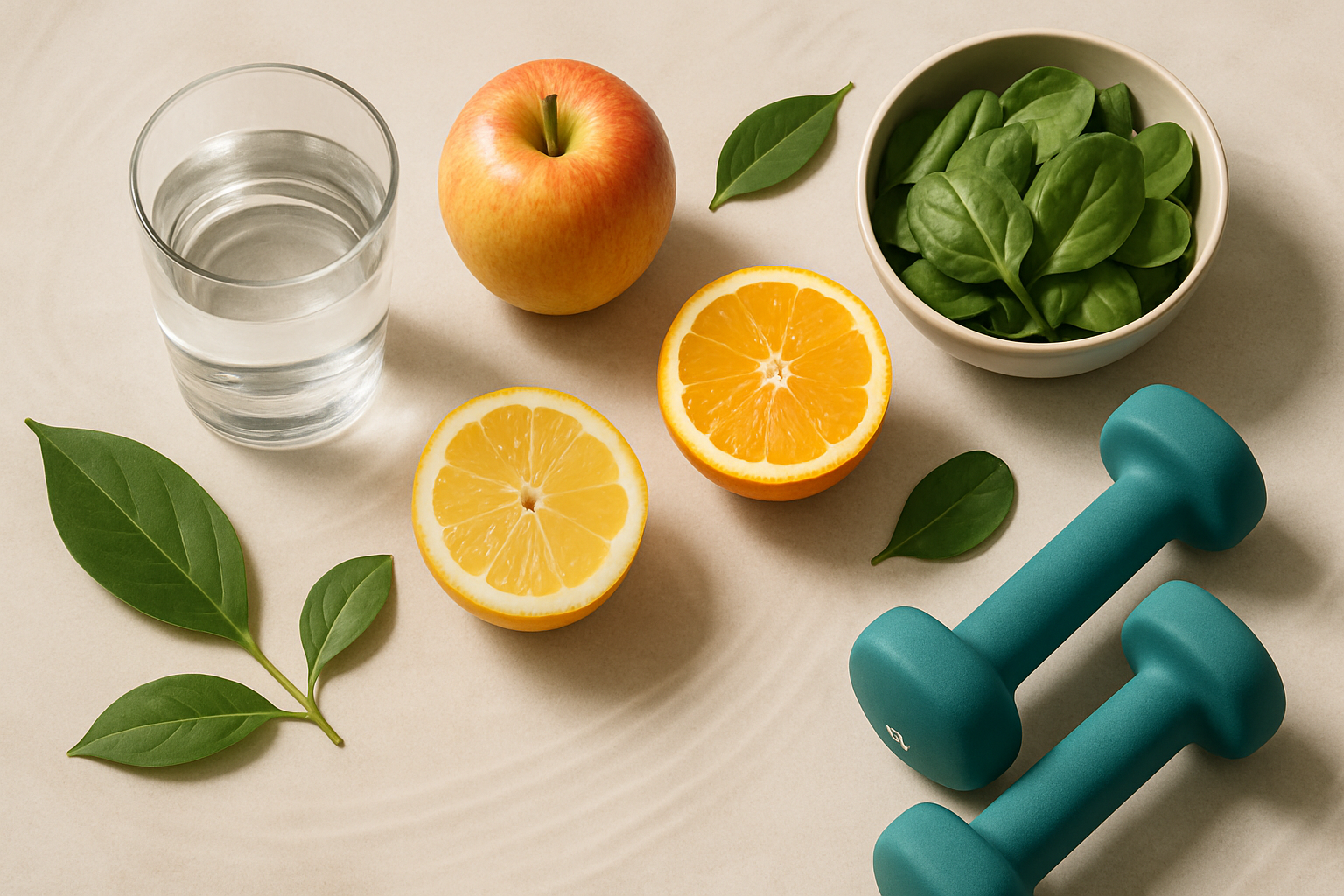
Gradually adding fiber-rich foods like beans, oats, and fruit supports digestive health and overall nutrition while minimizing discomfort and encouraging sustainable dietary habits.
Understanding Fiber and Its Role in Nutrition
Fiber is a type of carbohydrate found in plant-based foods that the body cannot digest. It plays a key role in maintaining digestive health, regulating blood sugar, and supporting heart health. Dietary fiber comes in two forms: soluble and insoluble. Soluble fiber dissolves in water and can help lower cholesterol and blood sugar levels. Insoluble fiber adds bulk to stool and helps food pass more quickly through the digestive system. Beans, oats, and fruit are excellent fiber sources that provide both types.
Why Gradual Addition Matters
Adding fiber to your diet suddenly or in large amounts can cause uncomfortable side effects such as gas, bloating, and cramping. This happens because fiber is fermented by bacteria in the gut, producing gas as a byproduct. Gradual introduction allows your digestive system to adjust, promoting better tolerance and absorption. Increasing fiber intake slowly also helps prevent constipation and supports a balanced gut microbiome.
Starting with Beans: A Protein and Fiber Powerhouse
Beans are rich in both soluble and insoluble fiber and provide plant-based protein, vitamins, and minerals. To start, try adding small portions-such as a quarter cup of cooked beans-to meals two or three times a week. Examples include:
- Adding black beans to a salad
- Mixing chickpeas into a vegetable stew
- Using lentils in soups or tacos
Rinsing canned beans thoroughly can reduce some of the compounds that cause gas. Cooking dried beans properly by soaking and rinsing also helps. Over time, you can increase the portion size and frequency as your body adapts.
Incorporating Oats for Heart Health and Satiety
Oats are a convenient source of soluble fiber called beta-glucan, which supports heart health by helping to lower cholesterol. They also promote feelings of fullness, which can aid in weight management. Start with a small serving-about a quarter cup of dry oats-once a day. You might:
- Enjoy oatmeal topped with fresh fruit
- Add oats to smoothies or yogurt
- Use oats in homemade granola bars
Choosing plain oats over flavored instant varieties lowers added sugars and sodium. Drinking plenty of water with oats helps fiber move smoothly through the digestive system.
Adding Fruit: Natural Sweetness and Nutrients
Fruits provide fiber along with vitamins, antioxidants, and hydration. Fresh, frozen, or canned fruits without added sugar are good choices. Begin by adding one small piece or half a cup of fruit daily, such as:
- Sliced apples or pears with skin
- Berries mixed into cereal or yogurt
- Orange or grapefruit segments
Peeling fruit removes some fiber, so eating the skin when edible increases fiber intake. Variety is beneficial, as different fruits offer different types of fiber and nutrients.
Balancing Fiber with Adequate Hydration
Increasing fiber intake requires drinking enough water to prevent constipation and promote digestion. Fiber absorbs water and swells, helping stool pass easily. Aim to drink water throughout the day, adjusting for activity level, weather, and personal needs. Replacing sugary drinks with water also supports overall health.
Practical Tips for Success
- Introduce one fiber-rich food at a time, allowing your body to adjust.
- Combine fiber sources to diversify benefits (e.g., beans with whole grains and fruit).
- Monitor portion sizes and gradually increase over several weeks.
- Use cooking methods that reduce gas, such as soaking beans and cooking oats thoroughly.
- Stay active with moderate exercise like brisk walking to support digestion.
When to Consult a Healthcare Provider
If you experience persistent digestive discomfort, changes in bowel habits, or other health concerns while increasing fiber, talk with a qualified clinician. People with certain medical conditions or those taking specific medications should seek personalized advice. A healthcare provider can help tailor dietary changes safely.
Maintaining a Balanced Diet Beyond Fiber
Fiber is important, but it works best as part of a balanced diet rich in vegetables, lean proteins, healthy fats, and whole grains. Limiting added sugars, saturated fats, and sodium while focusing on nutrient-dense foods supports overall well-being. Regular physical activity and good sleep hygiene complement healthy eating habits.
Incorporating Beans, Oats, and Fruit into Everyday Meals
Here are some simple meal ideas to include these fiber-rich foods gradually:
- Breakfast: Oatmeal topped with berries and a sprinkle of nuts
- Lunch: Mixed greens salad with chickpeas, cucumber, and a vinaigrette
- Dinner: Lentil soup with a side of steamed vegetables
- Snacks: Apple slices with peanut butter or a small bowl of mixed fruit
These examples demonstrate how easy it is to add fiber without overwhelming the digestive system.
Final Thoughts
Gradually adding fiber-rich beans, oats, and fruit to your diet supports digestive health, heart health, and sustained energy levels. Taking a slow and steady approach helps prevent discomfort and encourages lasting healthy habits. Remember to stay hydrated and listen to your body as you make these changes. Consistency and balance are key to long-term nutrition success.