Discover essential heart-healthy pantry staples and tips to support everyday cooking that promotes cardiovascular wellness through balanced nutrition and smart food choices.
Understanding Heart-Healthy Pantry Essentials
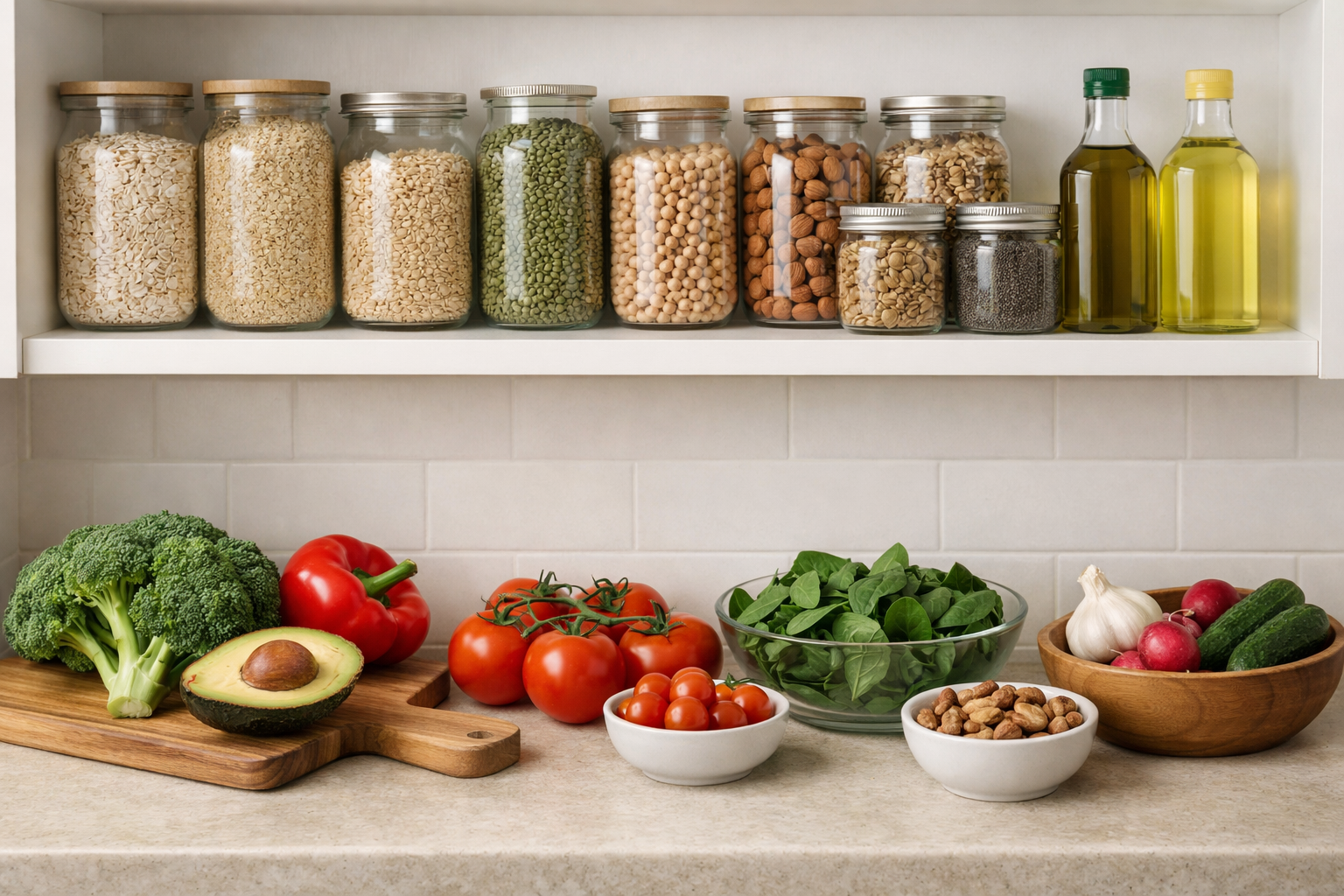
Maintaining a heart-healthy diet starts with having the right ingredients on hand. A well-stocked pantry featuring nutrient-rich foods makes it easier to prepare meals that support cardiovascular health. Emphasizing whole grains, legumes, nuts, seeds, and healthy oils while minimizing processed and high-sodium items can help reduce risk factors such as high blood pressure and elevated cholesterol. Keeping these staples accessible encourages consistent healthy cooking habits.
Whole Grains: The Foundation of Heart Health
Whole grains like brown rice, quinoa, oats, and whole wheat pasta provide fiber, vitamins, and minerals essential for heart function. Fiber helps lower LDL cholesterol and supports healthy digestion. When shopping, choose products labeled “100% whole grain” or check that the first ingredient is a whole grain. Store grains in airtight containers to maintain freshness and prevent pest contamination.
Legumes and Beans: Plant-Based Protein Powerhouses
Beans, lentils, and chickpeas offer protein without the saturated fat found in many animal products. They are also rich in fiber and potassium, which can help manage blood pressure. Dried or canned options are convenient; if using canned, rinse them to reduce sodium content. Experiment with these versatile ingredients in soups, salads, and side dishes to boost heart-healthy nutrients.
Nuts and Seeds: Healthy Fats and Nutrients
Almonds, walnuts, flaxseeds, and chia seeds contain unsaturated fats, omega-3 fatty acids, and antioxidants that support cardiovascular health. Keep nuts and seeds in sealed containers, preferably refrigerated or frozen to prevent rancidity. Use them as toppings for oatmeal or yogurt, or incorporate them into baked goods and salads for added texture and nutrition.
Lean Proteins: Supporting Muscle and Heart Function
Lean proteins such as skinless poultry, fish, and plant-based alternatives are important for muscle maintenance and overall health. Fatty fish like salmon and mackerel are especially beneficial due to their omega-3 content, which may reduce inflammation and improve heart rhythm. When stocking your pantry, consider canned or vacuum-sealed fish options for longer shelf life.
Non-Tropical Vegetable Oils: Heart-Friendly Cooking Fats
Replacing saturated fats like butter with liquid vegetable oils such as olive, canola, or safflower oil can improve cholesterol levels. These oils are rich in unsaturated fats and vitamin E, which have antioxidant properties. Store oils in a cool, dark place to prevent oxidation. Use them for sauteing, salad dressings, and baking to enhance flavor and heart health.
Herbs, Spices, and Low-Sodium Flavorings
Reducing sodium intake is key to managing blood pressure. Stock your pantry with a variety of herbs and spices like garlic powder, paprika, basil, and oregano to add flavor without salt. Low-sodium broths and vinegars can also enhance dishes. Experimenting with these seasonings encourages flavorful meals that support heart health.
Smart Storage and Food Safety Practices
Proper storage extends the shelf life of heart-healthy pantry items and helps prevent foodborne illness. Grains and nuts should be kept in airtight containers away from heat and light. Refrigerate or freeze leftovers promptly, using refrigerated leftovers within 3 to 4 days. Always check expiration dates and discard items that show signs of spoilage. Maintaining a clean pantry reduces the risk of pests and contamination.
Incorporating Hydration and Balanced Meals
Water is an essential part of a heart-healthy lifestyle. Keeping water accessible encourages replacing sugary drinks with a low-calorie option that supports hydration. Planning balanced meals using pantry staples alongside fresh fruits, vegetables, and lean proteins can help maintain energy and cardiovascular well-being. Remember to adjust portion sizes and activity levels according to individual health needs.
Practical Tips for Everyday Cooking
Start by creating a weekly meal plan centered around your heart-healthy pantry staples. Batch cooking grains and legumes saves time and provides ready-to-use components. Experiment with new recipes that incorporate nuts, seeds, and healthy oils to keep meals interesting. When dining out or buying packaged foods, read Nutrition Facts labels carefully to choose options lower in saturated fat, added sugars, and sodium.
Stocking your pantry thoughtfully supports consistent heart-healthy eating habits. By focusing on nutrient-dense whole foods and practicing safe storage, you can make everyday cooking both convenient and beneficial for cardiovascular wellness. Always consult with a healthcare provider for personalized advice related to diet and heart health.