Many medical conditions require anticoagulant medication. The most prescribed blood-thinning drug is Coumadin. What are the healthy foods I can eat on Coumadin? What are the foods that affect the effectiveness of Coumadin but are safe to eat?
Overview
Coumadin (Warfarin) is a commonly-prescribed medication that helps thin the blood. Knowing all the healthy food I can eat on Coumadin can be tricky. There is no diet specifically designed for a patient on blood thinners, but food can affect the way this drug works so it is important to watch what you eat.
Natural blood thinners are foods with antibiotic properties (onion and garlic), omega-3 fatty acids, vitamin E supplements (natural enemy of vitamin K,) and salicylates (blocks the absorption of vitamin K). Vitamin K lessens the potency of Coumadin; avoid eating food and beverages that are rich with vitamin K (but do not eliminate it from your diet.) As much as possible, keep your daily intake average at 90 mcg (micrograms) for adult women and 120 mcg for adult men. The key to a Coumadin diet is to try to keep your daily vitamin K intake the same.
Salicylates
The most well known coagulant is vitamin K, in fact, the “K” was derived from the Danish translation, koagulation. The purpose of Coumadin is to thin the blood. Therefore, we want to control vitamin K absorption in the body by eating foods with salicylates. Salicylates are commonly found in aspirin, but are also found in fruits and spices.
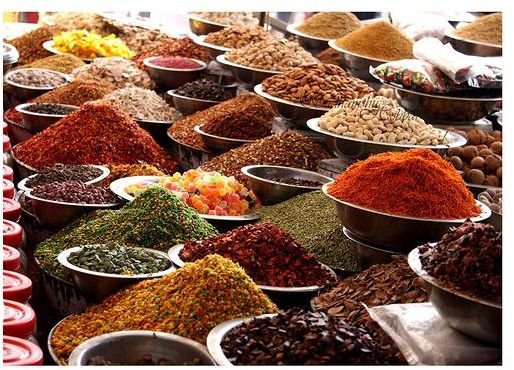
Herbs and spices that are high in salicylates are cayenne peppers, curry powder, ginger, thyme, paprika, dill, oregano, cinnamon, licorice, peppermint, and turmeric. In traditional Indian medicine or Ayurvedic, most of these spices are considered as warming spices – the thinning of the blood increases circulation and speeds up metabolism and therefore makes people feel warmer.
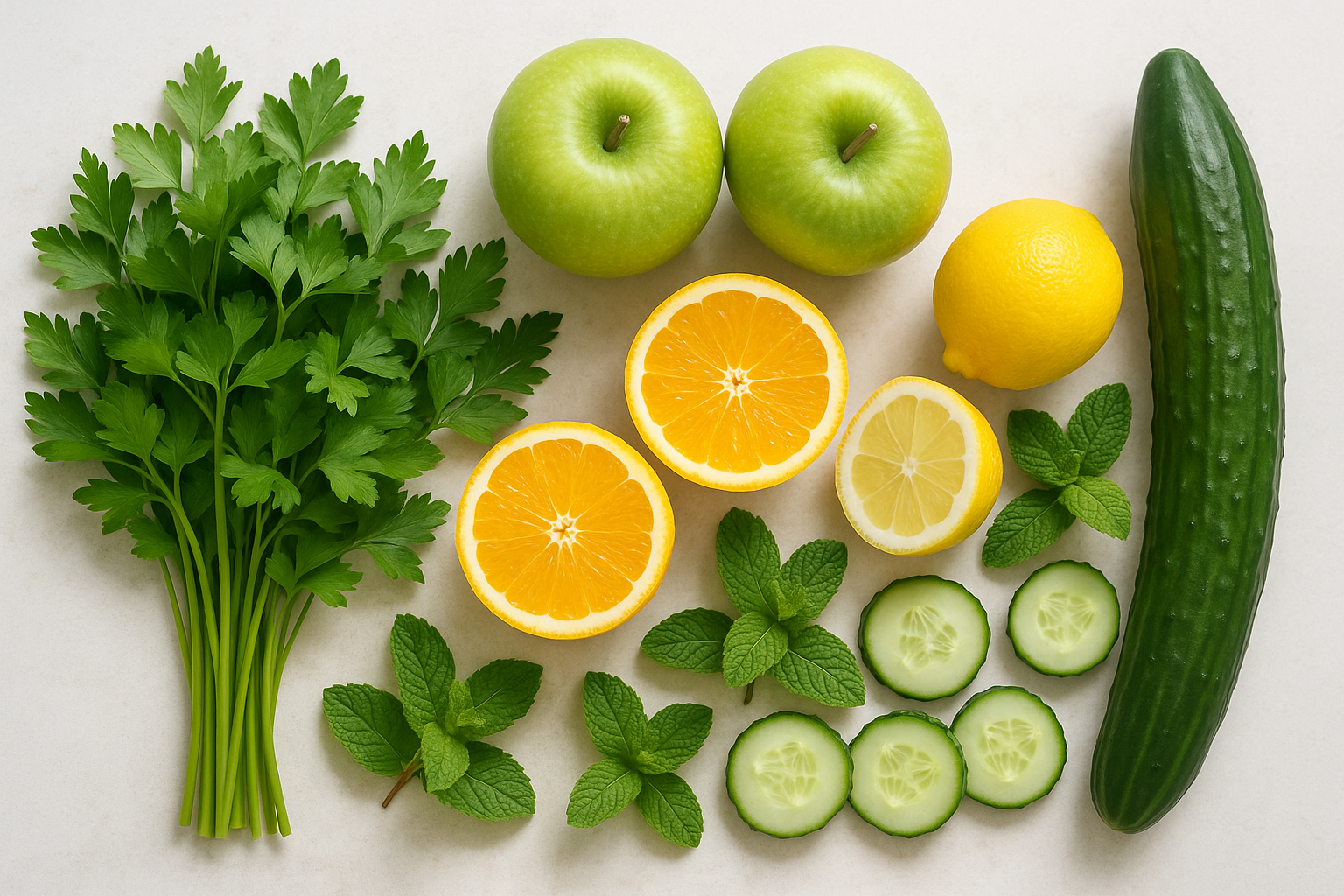
Fruits that are high in salicylates are prunes, raisins, cranberries, cherries, grapes, blueberries, tangerine, oranges, and strawberries. In addition, chewing gum, peppermints, wine, cider, vinegar, and honey are high in salicylates.
Vitamin E
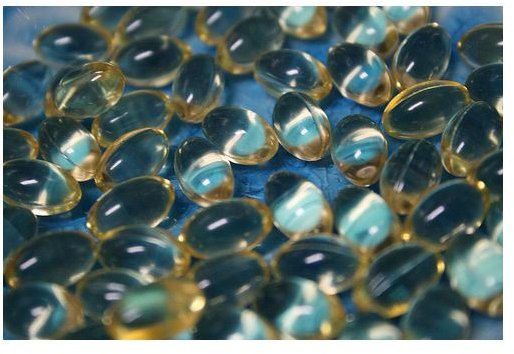
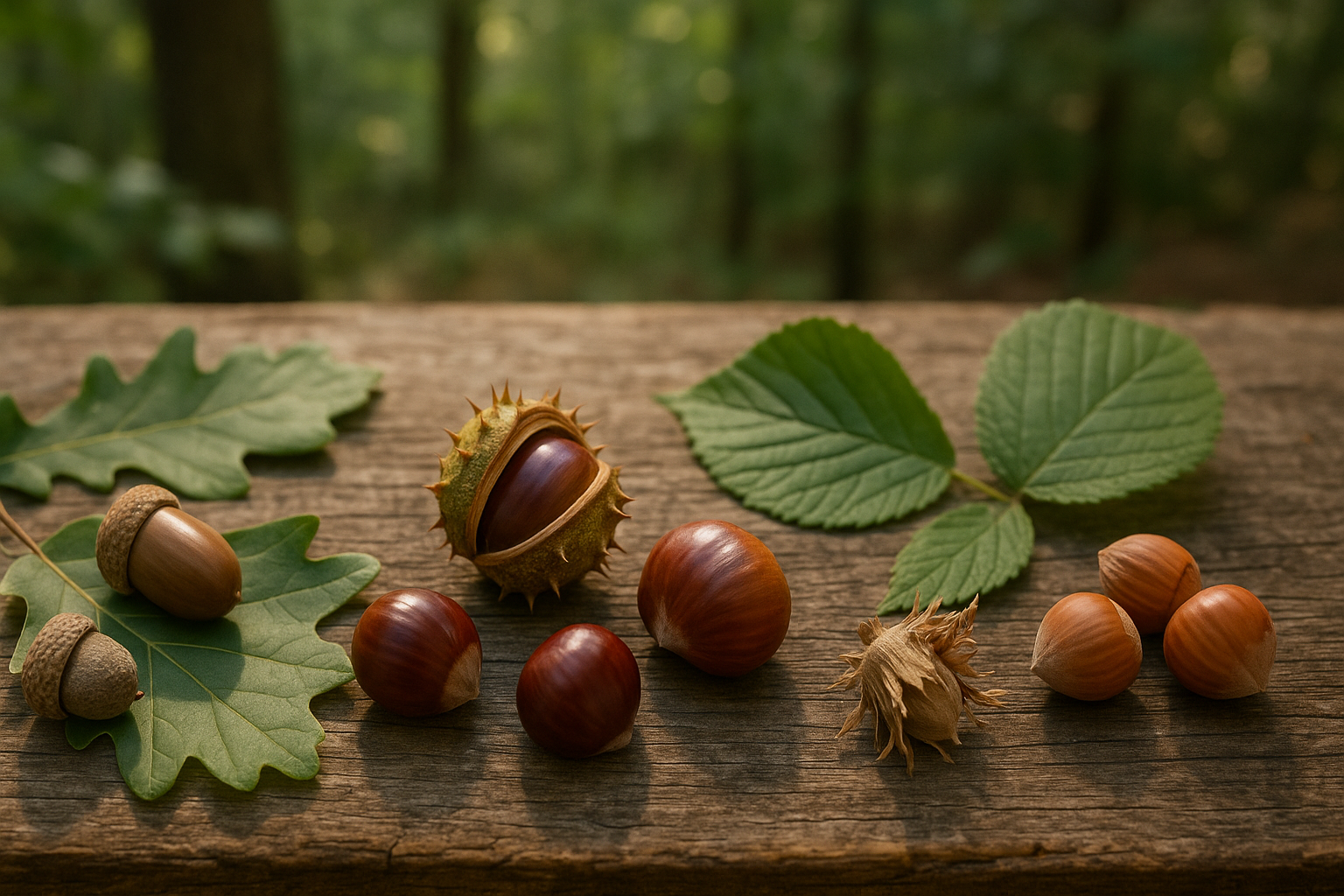
Food high in vitamin E are sunflower seeds, peanut butter, wheat germ, pine nuts, olives, sun-dried tomatoes, almonds, leafy green vegetables , and fruits. Many topical substances and preserved foods contain vitamin E . Read the label carefully. You can also drink vitamin E capsules.
Omega- 3 Fatty Acids
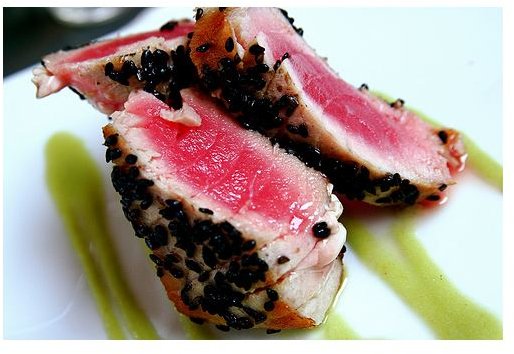
Not only is this good for the heart as it lowers your cholesterol, it can also act as a natural blood thinner. Fish that are high in omega 3 fatty acids are salmon, mackerel, anchovies, albacore tuna, herring and lake trout.
Vitamin K
Although vitamin K lessens the effect of Coumadin, it is not advisable to eliminate vitamin K from the diet – we need vitamin K in our body. As stated above, keep the daily intake average of 90 mcg (micrograms) for adult women and 120 mcg for adult men. Not all the food listed below are healthy foods to eat when taking Coumadin, but healthy diet is always a choice. Learn about the nutritional facts and then decide what you want and do not want in your body. Eat a consistent amount of vitamin K everyday.
Seafood/Meat and Vitamin K Content = Serving Size 4 oz
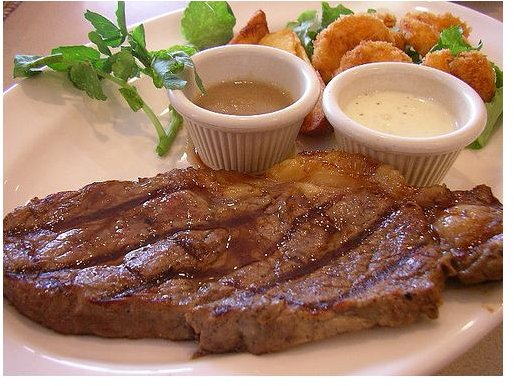
*Low (less than 20 mcg); Medium (20-79 mcg) micrograms); High (80-200 mcg).
- Pork (Pork chop, pork loin roast) - Low
- Poultry (Chicken breast, chicken thigh, chicken leg, turkey breast) - Low
- Beef (Chuck roast, ground beef, tenderlon, flank steak, top round, veal cutlet) - Low
- Fish (haddock, mackerel, salmon, sardines, squid, tuna - Low)
Beverages and Vitamin K Content: Serving Size = 4 fluid oz
*Low (less than 20 mcg); Medium (20-79 mcg) micrograms); High (80-200 mcg).

- Wine, whiskey, sake, martini - Low
- Beer (light and regular) - Low
- Lemonade, Orange, Grapefruit, Grape juice (frozen concentrate) - Low
- Tomato, prune, pineapple, cranberry, apple juice - Low
- Kool-aid - Low
- Ginger ale - Low
- Diet or regular cola - Low
- Tea (leaves) - High
- Tea (brewed) - Low
- Decaffeinated tea (brewed) - Low
- Coffee - Low
Dairy and Vitamin K Content:
*Low (less than 20 mcg); Medium (20-79 mcg) micrograms); High (80-200 mcg).
-
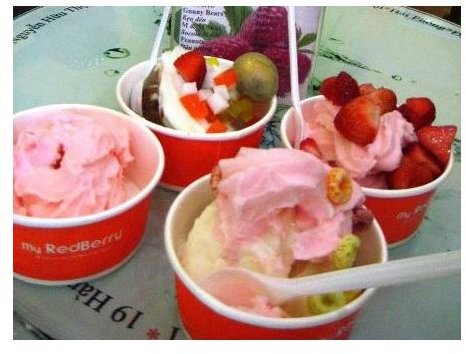
Low-fat yogurt - Low - 4 fluid oz
-
Whole, skim, evaporated, 2% milk - Low - 4 fluid oz
-
Swiss cheese - Low - 4 oz
-
Cream cheese - Low - 2/3 cup
-
Cottage cheese - Low - ¼ cup
-
Cheddar cheese - Low - 4 oz
-
American cheese - Low - 4 oz
-
Sour cream - Low - ½ cup
-
Half and Half - Low - 2/3 cup
-
Coffeemate creamer - Low -¼ cup
Vegetables and Vitamin K Content
*Low (less than 20 mcg); Medium (20-79 mcg) micrograms); High (80-200 mcg).
-
Artichoke - Low - 1/3 cup
-
Lima beans, beets, carrots, cauliflower, acorn squash, yellow squash - Low - 1/2 cup
-
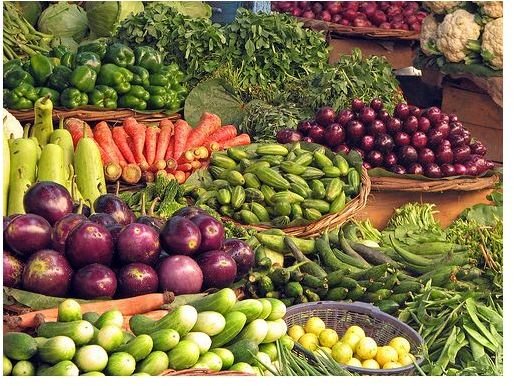
Green beans - Low -3/4 cup
-
Corn, yellow onion, - Low - 2/3 cup
-
Cucumber (peeled), eggplant - Low - 1 cup
-
Shiitake mushrooms - Low - 5 mushrooms
-
Parsnip - Low - 2 parsnips
-
Potato, tomato - Low - 1 piece
-
Tomato sauce (bottled) - Low - 1/2 cup
-
Turnip - Low - 4 oz
-
Asparagus - Medium - 7 spears
-
Iceberg lettuce, okra - Medium - 1/2 cup
-
Celery - Medium - 2 1/2 pcs
-
Broccoli, Swiss chard, collard greens, kale, green pepper, spinach - High - 1/2 cup
-
Brussels sprouts - High - 5pcs
-
White cabbage, green onion - High - 2/3 cup
-
Chives - High - 2 cups
-
Cilantro - High - 6 cups
-
Endive - High - 2 cups
-
Leek, Button mushrooms, radish, sweet potato - Low - 1 cup
-
Bibb lettuce, red leaf lettuce - High - 1 cup
-
Mustard greens, parsley, turnip greens - High - 1 1/2 cups
-
Watercress - High - 3 cups
Oil/Dressing and Vitamin K Content: Serving Size 7 Tbsp
*Low (less than 20 mcg); Medium (20-79 mcg) micrograms); High (80-200 mcg).
-
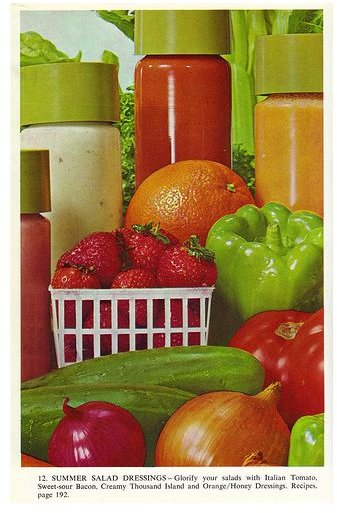
Italian dressing - Medium
-
Low fat Thousand Island - Medium
-
Thousand Island - High
-
Low fat Russian - Low
-
Russian - High
-
Blue, Roquefort cheese - High
-
French dressing - High
-
Oil and vinegar - Medium to High
-
Butter - Low
-
Low fat Italian - Low
-
Canola - High
-
Margarine - Medium to High
-
Mayonnaise (w/ soybean oil) - Medium
-
Shortening (cottonseed, soybean) - Medium
-
Cottonseed, olive, soybean - Medium
-
Sunflower, peanut, linoleic, corn, safflower, sesame, walnut - Low
Fruits and Vitamin K Content
*Low (less than 20 mcg); Medium (20-79 mcg) micrograms); High (80-200 mcg).
-
Dried prunes - Low - 2 pcs
-
Plums - Low - 1 1/2
-
Lemon - Low - 2 medium pcs
-
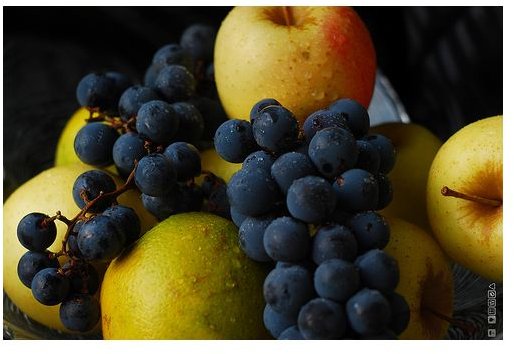
Red/Green seedless grapes - Low - 1 cup
-
Grapefruit - Low - 1/2 pc
-
Fruit cocktail/Canned pears in syrup, Canned pumpkin, Applesauce - Low - 1/2 cup
-
Cranberry sauce - Low - 1/3 cup
-
Cherries - Low - 15 pcs
-
Cantaloupe, Raisins, Fresh strawberries, Watermelon - Low - 2/3 cup
-
Blueberries - Low - 1/2 cup
-
Orange, Pear - Low - 1 small pc
-
Avocado, Banana, Red Apple, Kiwi, Peach - Low - 1 medium pc
-
Apricot - Low - 3 pcs
Desserts and Vitamin K Content:
*Low (less than 20 mcg); Medium (20-79 mcg) micrograms); High (80-200 mcg).
-
Popsicle - Low - 3.5 fluid oz
-
Fruit sherbet - Low -1/2 cup
-
Chocolate milk shake - Low - 4 fluid oz
-
Vanilla ice cream - Low - 3/4 cup
-
Chocolate pudding (mix) - Low - 1/3 cup
-
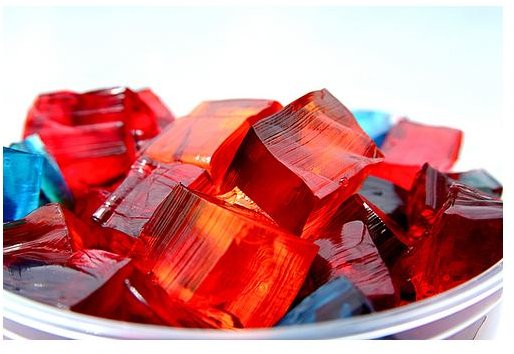
Jello - Low -1/3 cup
-
Lollypops - Low - 15 pcs
-
Milk chocolate candy bar - Low - 3.5 oz
-
Caramel candy - Low - 13 pcs
-
Pumpkin pie - Low - 1/8 pie
-
Apple pie - Low - 1/8 pie
-
Sugar cookies - Low - 6 pcs
-
Oreos - Low - 10 pcs
-
Chocolate chip cookies - Low - 8 pcs
-
Yellow cake / white icing - Low - 1 slice
-
Chocolate cake / chocolate icing - Low - 2 slices
-
Cake doughnuts - Low - 3 pcs
-
Brownies (mix) - Low - 4
This is merely a guide to healthy foods I can eat on Coumadin; do not focus on the list of what you cannot eat. Plan your meals according to your wants and needs, and then check the contents of your food to ensure that it will not affect the medicine. Remember that it is important to eat a normal and nutritionally balanced diet while on medication. Do not change your eating habits drastically. Again, do not eliminate Vitamin K from your diet because it is necessary for the body to function well – just adjust your vitamin K intake and be consistent with the amount. Consult the doctor if you have an upset stomach, diarrhea, or loss of appetite. Always check with your physician before changing or starting any medication, vitamins, and herbal supplements as these may affect the effectiveness of Coumadin.
For more information for the best foods to eat during pregnancy, please read “Foods to Avoid While Taking Coumadin .”
Disclaimer
This is not medical advice and is not meant to treat, diagnose, prescribe or cure any ailment. Check with your physician first before following any advice you have read on BrightHub.com. Consult your doctor before you start, stop or change anything that has been previously prescribed to you.
Image Credits
DeusXFlorida - https://farm4.static.flickr.com/3036/3050922569 _d7ddf9c9b2.jpg
mckaysavage - https://farm3.static.flickr.com/2234/2085739779 _b0dc7d4d28.jpg
stevendepolo - https://farm3.static.flickr.com/2566/3787431046 _7385d0721d.jpg
delphaber - https://farm4.static.flickr.com/3144/3978254215 _e2a1b6965a.jpg
jetalone - https://farm1.static.flickr.com/40/121175433 _5ffee12041.jpg
stevendepolo - https://farm4.static.flickr.com/3512/3790830574 _fc21e5f154.jpg
theogeo - https://farm4.static.flickr.com/3504/3296174029 _b9463a7252.jpg
Thoth, God of Knowledge - https://farm3.static.flickr.com/2764/4162843590 _dc67b05465.jpg
Sudhamshu - https://farm4.static.flickr.com/3448/3300238326 _e24f55f2e4.jpg