Eating by the season is a great way to really take advantage of the healthy choices available at most local farmers markets. But even if you’d rather stop by a brick-and-mortar grocery or health food store, eating by the season enables you to enjoy some of the cleanest eating the Earth has to offer.
Overview
Eating by the season isn’t just limited to fruits and vegetables. Major cities like San Francisco offer access to grass fed meats by the season, olive oil, dried herbs, and granola. However, if you live in a small community your seasonal eating plan may largely consist of fresh fruit and vegetable options.
Seasonal Milk Differences
Seasonal eating is supported by scientific research, according to the website “The World’s Healthiest Foods.” In 1997, the Ministry of Agriculture, Fisheries and Food in London, England found that cows produce nutritionally different milk depending on the season of the year. Summertime milk usually consists of more beta-carotene, while winter milk typically is comprised of more iodine. The British researchers concluded that this happens due to significant differences in cows’ diets due to the season. Typically, cows are fed more salt-preserved food in the winter and fresh plants in the summer. So if you need more or less beta-carotene or iodine in your diet, you may want to consider seasonal eating when it comes to milk.
Spinach and Vitamin C
Japanese researchers found that spinach harvested during the summer months consists of more vitamin C than winter crops, according to “The World’s Healthiest Foods.” In fact, this study shows that spinach harvested during the summer is three times richer in vitamin C than spinach harvested during the winter. So if you’re feeling fatigued during the hot summer months, don’t just drink more orange juice. Find some organic spinach and eat it for its multiple benefits.
Other Summertime Food Options
Traditional Chinese medicine calls for plenty of cooling foods during the summer, according to “The World’s Healthiest Foods.” For vegetables, consider incorporating summer squash, broccoli and cauliflower. Seasonal fruit options include pears, apples, plums and strawberries. Instead of reaching for bread, eat some corn during the summer months. Finally, spice up your vegetables and meats with peppermint and cilantro.
Fall Food Choices
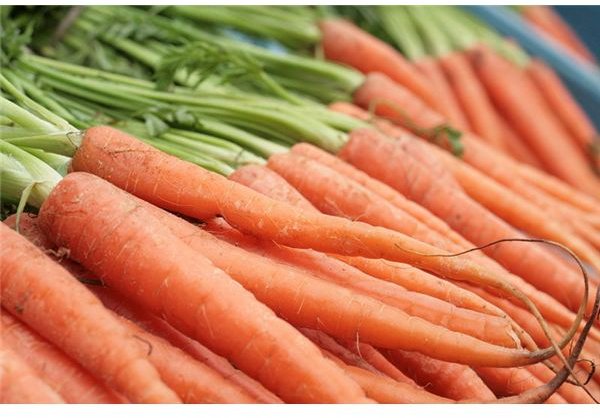
Autumn harvest is a warming season, designed to help prepare the body, mind and spirit for winter. Great fall vegetable choices include carrots and onions. A healthy autumn carbohydrate option is sweet potatoes, to which you might want to add garlic, ginger, peppercorns or even mustard seeds.
Winter Eating Options
Most geographical locations are at least a little cold during wintertime, and “blue” moods can easily set in if you’re not eating right. Those following seasonal eating will want to pay special attention to their diets in the colder months; eat foods such as fish, chicken, lamb, beef and venison. Don’t forget those vegetables; great winter options range from carrots to garlic.
Spring Food Choices
Leafy greens are essential year round, but springtime really is a fine time to enjoy them while eating by the season. Pile up your plate with Swiss chard, Romaine lettuce, parsley and basil.
References
- “Eating with the Seasons.” https://www.eatwiththeseasons.com/
- “Gaiam Life: Benefits of Eating What’s In Season.” https://life.gaiam.com/gaiam/p/Benefits-of-Eating-Whats-in-Season-at-Your-Local-Farmers-Market.html
- “The World’s Healthiest Foods: Healthy Eating with the Seasons.” https://www.whfoods.com/genpage.php?tname=faq&dbid=28