From ancient myths to urban legends, many stories have revolved around garlic benefits and unique properties. Garlic is not only used to add a rich aroma to your dishes, but also used for its many health benefits. Aptly known as “the stinking rose”, garlic has innumerable health benefits.
The History of Garlic
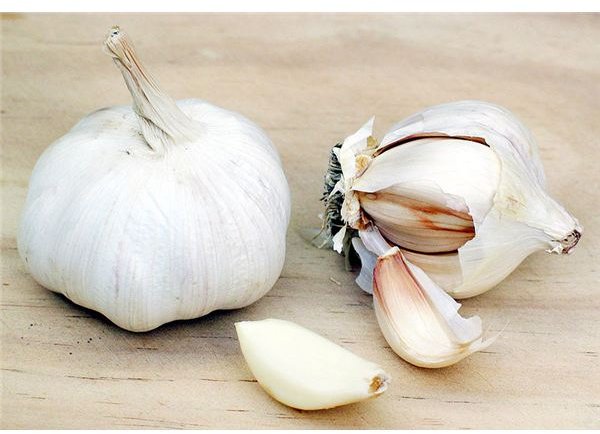
Garlic, scientifically known as Allium sativum, is a distant cousin to chives and onions. Garlic originated in central Asia and has been cultivated since ancient times. Its medicinal properties played a key role in Ancient Egypt’s culture. Later, garlic cultivation spread in many regions and today the main commercial garlic producers are countries such as India, the United States, Spain, China and South Korea.
(image courtesy: wikipedia.org, photo by Donovan Govan, GNU Free Documentation License)
Uses of Garlic in History
For over a thousand years garlic has been used for culinary and therapeutic purposes. Here are some quick facts about the many uses of garlic in history:
• In ancient Egypt, garlic was used as a strength-enhancing food by laborers employed to build those huge pyramids.
• Athletes and warriors of ancient Greek and Roman civilizations consumed garlic before going off to a major battle or attending any sport events.
• Peasants in Africa consumed garlic to avoid over-exposure from the sun’s heat during field labor.
• Garlic was an important culinary ingredient in Mediterranean Europe, though it was used rarely in English cuisines. But, according to some historical accounts, garlic was cultivated long before 1548 in England.
While these garlic facts are quite interesting, you will be surprised to know that there are innumerable health benefits of garlics.
Health Benefits of Garlic
Garlic benefits are innumerable because it is loaded with antioxidants , vitamins and minerals:
Garlic is an excellent source of nutrients like vitamins and minerals:
Garlic is not only rich in vitamins C, B and thiamin (vitamin B1), but also a very good source of minerals like potassium, selenium, phosphorus, calcium and manganese. A recent study published in the 2009 issue of Angewandte Chemie international chemistry journal confirmed that garlic has a very powerful antioxidant called allicin, which is useful to stop the effects of free radicals responsible for cancer.
Aids Weight Control:
One of garlic’s key constituents, allicin has also been linked to weight control. A study published in The American Journal of Hypertension revealed that the compound was a key component to control weight. The study found that subjects (here the experiment was on certain rats) who were given allicin had a stable weight and did not gain any extra weight.
Garlic is very good for your heart:
Because garlic is loaded with vitamins B6 and selenium, it may help to prevent heart disease. Research studies conducted by Swedish and American scientists confirm that the various compounds, including allicin, boost cardiovascular health. The American Heart Association also recommends eating garlic as it can be very helpful to prevent atherosclerotic plaque formation a key reason for atherosclerotic cardiovascular diseases.
Garlic is rich in Anti-bacterial and Anti-Viral compounds:
It’s that all-important allicin again! This sulfur-compound, teaming up with vitamin C can be very helpful to kill those harmful bacteria that cause colds and flu. There are also claims about garlic’s allicin properties can serve as a natural defense against swine flu, but all those assertions are yet to be confirmed by research. But, the fact is that the antibacterial compounds are very helpful against common flu, stomach viruses and also dangerous tuberculosis viruses.
The above key health benefits of garlic help you to understand how eating garlic can boost your immune system and protect against cardiovascular disease. Garlic has also proved to be an effective in weight control as confirmed by scientists.
Garlic: Consumption and Storage Tips
• While there are powdered or paste variations of garlic commercially available, it is always recommended to purchase raw, fresh garlic to take advantages of its health and culinary benefits.
• When you purchase garlic, check whether the garlic is firm. A soft or withered-looking garlic bulb indicates that it is about to decay.
• After separating and peeling the garlic cloves, please do not refrigerate them as the flavor gets reduced and the texture altered.
• Keep garlic away from heat and sunlight . Always store it in a cool and dry place. This will ensure it does not decay or dry away quickly. Most varieties of garlic remain fresh for two weeks or even two months.
References
https://www.sciencedaily.com/releases/2009/01/090130154901.htm
https://www.whfoods.com/genpage.php?tname=foodspice&dbid=60