Every month before their monthly cycle, women go through symptoms that makes life uncomfortable for them and for those around them. PMS or Premenstrual Syndrome affects millions of women worldwide. Find out which foods can reduce these symptoms and make life easier for us.
Premenstrual Syndrome (PMS)
PMS or Premenstrual Syndrome affects the strongest and most mature of women world over. PMS is an assortment of symptoms that usually occur a week before the monthly menstrual cycle and disappear shortly after the periods begin. Unfortunately, PMS does not differentiate between ages. It can affect women of all ages. Getting older does not alleviate the problem. There are no fixed symptoms of PMS. They differ from female to female and similarly the intensity of these symptoms is different too.
Symptoms of PMS
Symptoms affect both, the physical and mental well being. Some of the common symptoms of PMS are (in no particular order):
Mood swings (tension, irritability, crankiness, crying)
Stomach ache (mild or severe)
AdvertisementBack ache
Tenderness in breasts
AdvertisementFood cravings
Compulsiveness
AdvertisementBloating
Acne
AdvertisementNausea (in extreme cases)
All these symptoms differ from individual to individual and can also differ from month to month for a single female. People who are overweight can suffer from more severe PMS symptoms than ones who are not. Normally, all symptoms disappear by the fourth day of the period.
Can Food Help the Symptoms of PMS?
A proper diet is the answer to all things related to our body’s health. Certain foods have been known to reduce the symptoms of PMS. Lessening of these symptoms means mental and physical relief for women – not to mention their loved ones. A healthy diet goes a long way in reducing the symptoms and, in some cases, eliminating them.
Foods that Help PMS
To cure anything, it is important to know its cause. While no one knows what causes PMS except the hormonal changes that occur in a female body before the menstrual cycle - and since that differs from female to female - it is not possible to point out the exact cause of it. While the cause may not be certain, it has been noted that a proper, healthy diet does much to reduce the symptoms.
Carbohydrates and calcium rich foods: Foods rich in complex carbohydrates (whole grain breads, pasta etc) have been known to reduce PMS-related depression, as they produce serotonin. Complex carbohydrates stabilize blood sugar levels which eases the symptoms.
Calcium: Low fat diary products are ideal calcium rich foods. Low fat products such as milk, yogurt, cheese and even low fat ice cream are ideal high calcium foods that help reduce the symptoms. They’re also great for overweight women or those watching their weight. According to a study published by the Department of Public Health of University of Massachusetts, women who have a higher intake of calcium have a lower risk of PMS.
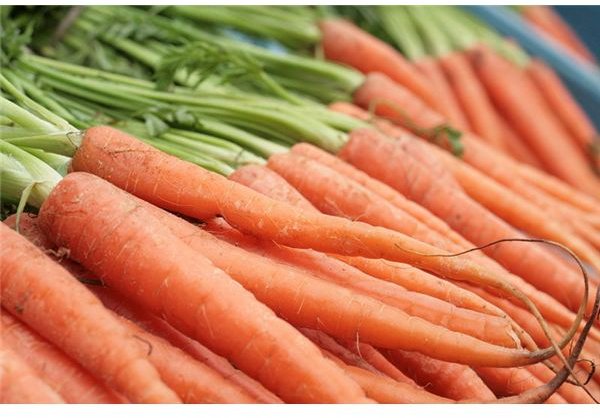
Fruits and Vegetables: A vegetarian diet also reduces the severity of cramps. Fruits and vegetables contain antioxidants and fibre, which help in alleviating the symptoms. They’re also a source for folic acid. Fresh juices are also a lot of help, but do not add any sugar. Including parsley in your diet helps with water retention.
Vitamins and minerals: Vitamins and minerals also improve PMS. Foods rich in magnesium like whole grains, brown rice, peanuts, peanut butter, soy beans, and cashews also help in reducing water retention (bloating) and mood swings. Cereals, oatmeal, bananas, pistachios, and lentils are rich in Vitamin B6 which is a necessary ingredient in manufacturing of a mood neurotransmitter called dopamine.
Chamomile tea: Drinking chamomile tea is also an excellent remedy to PMS symptoms. It helps with menstrual cramps as it contains ingredients that help relieve muscle spasms.
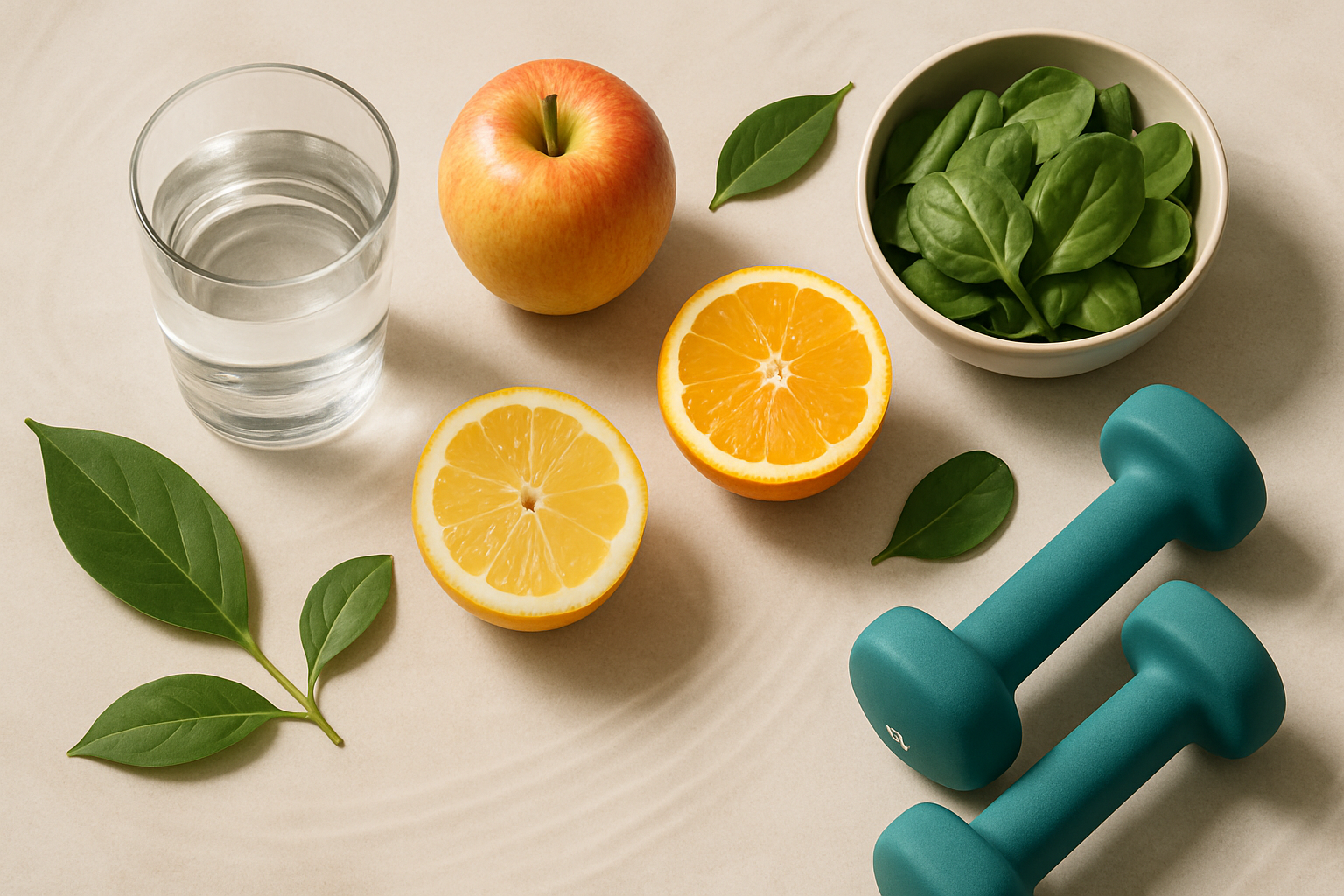
Water: One of the most important things to do during PMS and in order to help reduce it is to drink water.
Other: Primrose oil and Vitamin E has also been linked to reduced PMS symptoms. Taking vitamin and mineral supplements is also an option. Some medicines like ibuprofen are also known to help.
Resources
Disclaimer: Just as every female goes through different and varying degrees of PMS symptoms, similarly, the effect of these foods is different. It may take upto three months for the symptoms to reduce after the changes in diet have been made.