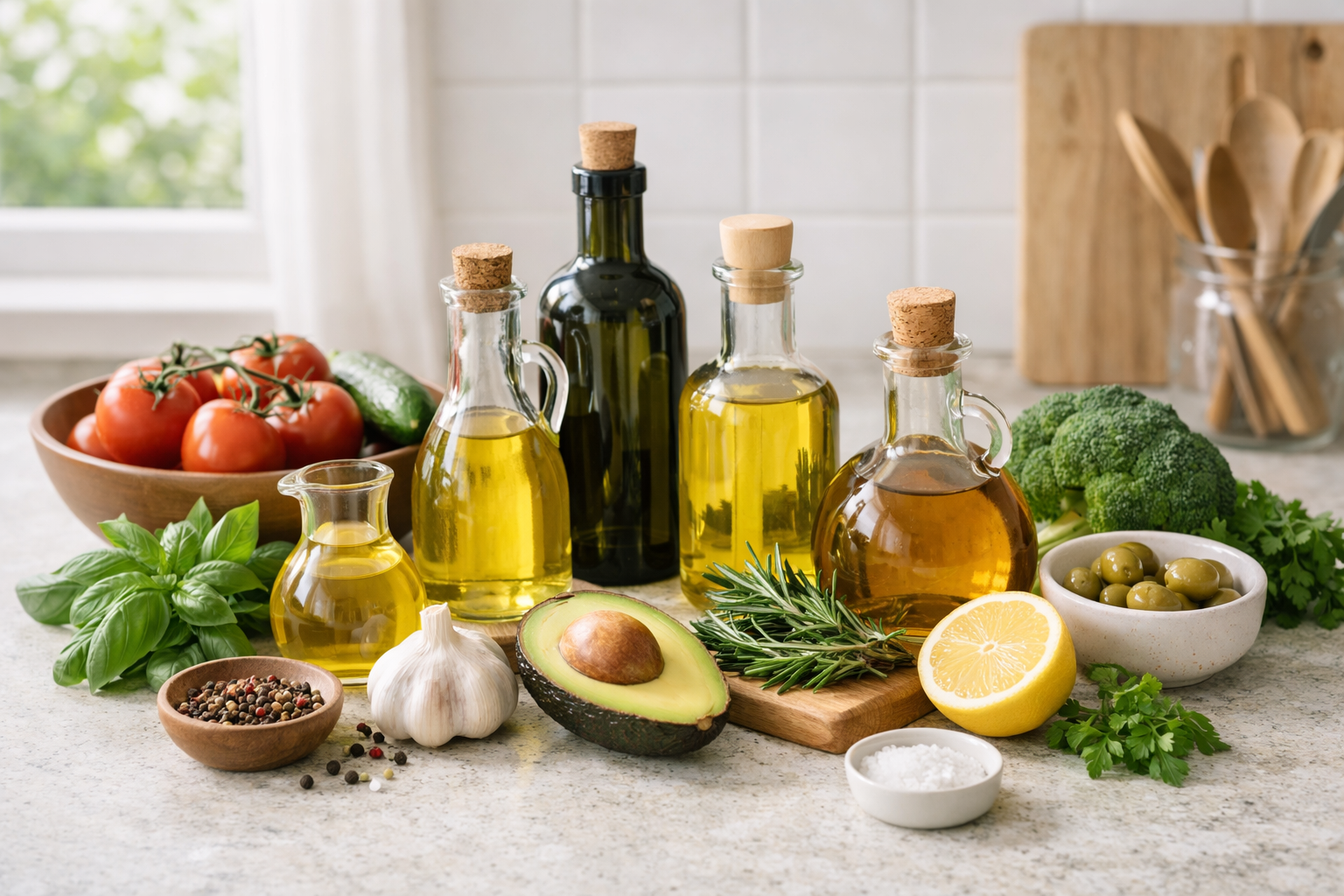
Choosing the right cooking oils involves understanding their flavor profiles, smoke points, and nutritional balance to enhance your meals and support overall health.
Understanding Cooking Oil Basics
Cooking oils are essential in the kitchen, not only for preparing food but also for adding flavor and texture. Each type of oil has unique characteristics including flavor, heat tolerance, and nutritional content. Knowing these differences helps you choose the best oil for each cooking method while supporting a heart-healthy diet.
Flavor Profiles and Their Culinary Uses
Oils vary widely in flavor, ranging from neutral to strong and nutty. Neutral oils like canola, safflower, and refined sunflower oil have a mild taste, making them versatile for baking, frying, or salad dressings when you don’t want the oil to overpower other ingredients. On the other hand, extra virgin olive oil offers a fruity, peppery flavor ideal for drizzling over vegetables or finishing dishes. Nut oils such as walnut or sesame add distinctive tastes that complement Asian or Mediterranean recipes.
Choosing an oil based on flavor can elevate your meal. For example, use toasted sesame oil sparingly in stir-fries or dressings to add a rich, nutty note. Avocado oil has a buttery flavor that works well for grilling or roasting. Understanding these options lets you tailor your cooking to your taste preferences.
Heat Tolerance and Smoke Points
The smoke point is the temperature at which oil begins to smoke and break down, producing harmful compounds and off-flavors. High-heat cooking methods like frying or sauteing require oils with higher smoke points. Refined oils typically have higher smoke points than unrefined or extra virgin oils.
Here are some common cooking oils and their approximate smoke points:
- Avocado oil (refined): 520F
- Safflower oil (refined): 510F
- Canola oil (refined): 400F
- Extra virgin olive oil: 375F
- Butter: 302F
For deep frying, oils like refined avocado or safflower oil are good choices. For medium heat sauteing, extra virgin olive oil offers flavor and sufficient heat tolerance. Avoid using low smoke point oils like unrefined flaxseed oil for cooking; instead, use them raw in dressings or dips.
Nutritional Considerations
Healthy cooking oils contribute unsaturated fats, which support heart health. The American Heart Association recommends emphasizing oils rich in monounsaturated and polyunsaturated fats while limiting saturated fat intake. For example, olive oil is high in monounsaturated fats, which can help reduce LDL cholesterol levels.
Avoid tropical oils such as coconut and palm oil for regular cooking, as these are high in saturated fats linked to increased heart disease risk. Instead, choose oils like canola, soybean, or walnut oil to provide essential omega-3 and omega-6 fatty acids.
Remember that oils are calorie-dense; one tablespoon contains about 120 calories. Using oils mindfully helps maintain a healthy weight and overall nutrition balance.
Balancing Oils in Your Kitchen
No single oil is perfect for every use. Building a collection of oils suited to different purposes can improve your cooking and health. For example, keep extra virgin olive oil for salad dressings and low to medium heat cooking. Store refined avocado or grapeseed oil for high-heat applications. Reserve nut oils like walnut or sesame oil for finishing dishes to add flavor without heating.
Proper storage also preserves oil quality. Keep oils in cool, dark places and use them within a few months of opening. Refrigerate oils that go rancid quickly, such as walnut oil.
Food Safety Tips When Using Oils
When cooking with oils, avoid overheating them beyond their smoke point to prevent harmful compounds. Promptly refrigerate any leftovers or oil-based sauces and use them within 3 to 4 days to reduce foodborne illness risk. Discard oils that smell rancid or have changed color.
Using clean utensils and avoiding cross-contamination when handling oils during cooking also supports food safety.
Practical Examples for Everyday Cooking
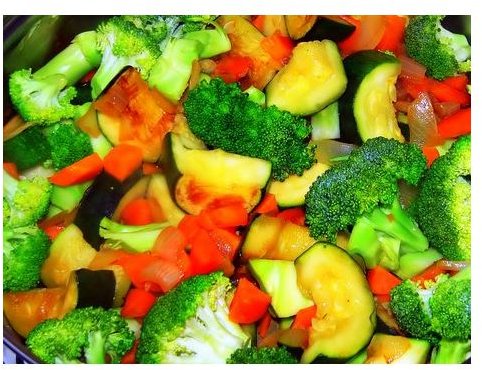
- Sauteing vegetables: Use extra virgin olive oil for medium heat to add flavor and retain nutrients.
- Deep frying chicken or potatoes: Opt for refined avocado or safflower oil with a high smoke point to ensure crispness without burning.
- Making salad dressings: Combine extra virgin olive oil with balsamic vinegar for a heart-healthy, flavorful dressing.
- Roasting nuts or seeds: Use a small amount of neutral oil like canola to prevent sticking without altering taste.
Final Thoughts on Healthy Cooking Oils
Selecting the right cooking oil is a balance of flavor, heat tolerance, and nutrition. By understanding these factors, you can enhance your meals while supporting heart and overall health. Keep a variety of oils on hand to match different cooking needs, store them properly, and use them thoughtfully. When in doubt about oil choices or dietary concerns, consult a qualified clinician or registered dietitian for personalized advice.
Cooking with oils is an opportunity to experiment with new flavors and techniques while nourishing your body. Approach your kitchen with curiosity and mindfulness to make every meal both delicious and healthful.