Choosing the right cooking oils for sheet pan meals and sauteing enhances flavor, nutrition, and cooking safety by matching oils to their smoke points and health benefits.
Understanding Cooking Oil Smoke Points
When selecting cooking oils for sheet pan meals and sauteing, it’s important to consider the oil’s smoke point-the temperature at which the oil starts to smoke and break down. Cooking oils with higher smoke points are better suited for high-heat methods like sauteing and roasting on sheet pans. For example, avocado oil has a smoke point around 520F, making it ideal for these uses, while extra virgin olive oil smokes at about 375F, better for medium-heat cooking. Using oil beyond its smoke point can produce unpleasant flavors and harmful compounds.
Healthy Oils Ideal for Sheet Pan Meals
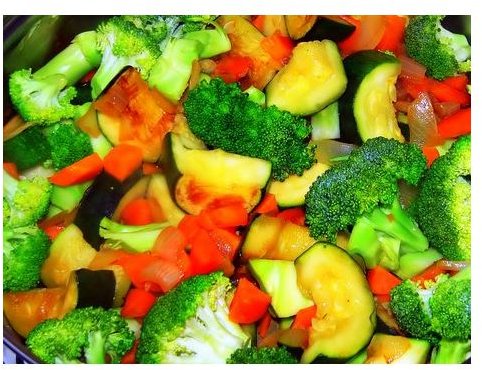
Sheet pan meals often involve roasting vegetables, proteins, or a combination at temperatures between 375F and 450F. Oils with moderate to high smoke points and heart-healthy fat profiles work best here. Avocado oil, grapeseed oil, and light olive oil are great choices. Avocado oil offers monounsaturated fats and a neutral flavor, which lets the natural taste of your ingredients shine. Grapeseed oil, also high in polyunsaturated fats, has a clean taste and a smoke point around 420F. Light olive oil (not extra virgin) has a higher smoke point than its extra virgin counterpart and can be a versatile option.
Best Oils for Sauteing
Sauteing typically involves cooking foods quickly over medium to medium-high heat, usually between 320F and 400F. Oils like extra virgin olive oil, refined coconut oil, and sunflower oil are suitable. Extra virgin olive oil is rich in antioxidants and monounsaturated fats, contributing to heart health. Its flavor pairs well with many dishes but should be used at moderate heat to avoid burning. Refined coconut oil has a smoke point around 400F and adds a subtle sweetness, while sunflower oil provides a mild taste and a smoke point near 440F.
Nutritional Benefits of Common Cooking Oils
Choosing oils with beneficial fats can support overall health. Monounsaturated fats, found in olive and avocado oils, are linked to improved cholesterol levels and heart health. Polyunsaturated fats, present in grapeseed and sunflower oils, provide essential fatty acids like omega-6, which are necessary but should be balanced with omega-3 intake. Saturated fats, such as those in coconut oil, should be used sparingly. Incorporating a variety of oils can help maintain a balanced intake of healthy fats.
Flavor Profiles and Pairing Tips
The flavor of cooking oils can affect the final taste of your dish. Extra virgin olive oil has a fruity, peppery flavor ideal for Mediterranean-style meals. Avocado oil is mild and buttery, working well with roasted vegetables and chicken. Grapeseed oil is neutral, making it a good choice when you want other ingredients to stand out. Coconut oil imparts a subtle tropical note, great for Asian-inspired recipes. Selecting an oil that complements your recipe can elevate your cooking.
Storage and Shelf Life Considerations
Proper storage of cooking oils preserves their quality and safety. Most oils should be kept in a cool, dark place away from heat and light to prevent rancidity. For example, extra virgin olive oil and avocado oil benefit from storage in opaque containers. Refrigeration can extend shelf life for some oils but may cause cloudiness; this is harmless and clears once returned to room temperature. Always check the expiration date and discard oils with off smells or flavors.
Practical Tips for Using Oils in Everyday Cooking
When cooking sheet pan meals, lightly coat vegetables and proteins with your chosen oil to promote even browning and prevent sticking. For sauteing, add oil to a preheated pan to avoid excessive absorption. Use measuring spoons to control oil amounts and manage calorie intake. Remember that even healthy oils are calorie-dense, so moderation is key. Incorporating a variety of oils in your kitchen can provide both health benefits and culinary versatility.
Safety and Food Handling Reminders
After cooking, refrigerate leftovers promptly to reduce the risk of foodborne illness. Use refrigerated leftovers within 3 to 4 days or freeze them for longer storage. When sauteing, use oils within their smoke points to avoid producing harmful compounds. If you have specific health concerns or cooking restrictions, consult a healthcare provider or registered dietitian for personalized advice.
Selecting the right cooking oil for sheet pan meals and sauteing involves balancing smoke points, nutritional value, and flavor preferences. By understanding these factors, you can enhance your cooking experience and support a healthy diet. Experiment with different oils to find your favorites and keep your meals both delicious and nutritious.