Proper fridge habits including timely refrigeration, correct storage, and regular cleaning help reduce the risk of foodborne illness from leftovers and ensure safer meals at home.
Why Proper Leftover Food Safety Matters
Leftover food safety is crucial to prevent foodborne illnesses caused by bacteria such as Salmonella or Listeria. When leftovers are not stored correctly, harmful microorganisms can multiply rapidly, especially at unsafe temperatures. Following good fridge habits not only preserves food quality but also protects your health by lowering the risk of contamination. Understanding how to handle leftovers safely ensures that your meals remain nutritious and enjoyable without jeopardizing food safety.
Refrigerate Leftovers Promptly
One of the most important fridge habits is to refrigerate leftovers within two hours of cooking or serving. Bacteria grow fastest between 40F and 140F, often called the “danger zone.” Leaving food out too long allows bacteria to multiply to unsafe levels. For hot foods, letting them cool slightly at room temperature before refrigeration is fine, but do not exceed the two-hour window. In warm environments above 90F, this window shortens to one hour. Prompt refrigeration slows bacterial growth and helps maintain freshness.
Use Proper Storage Containers
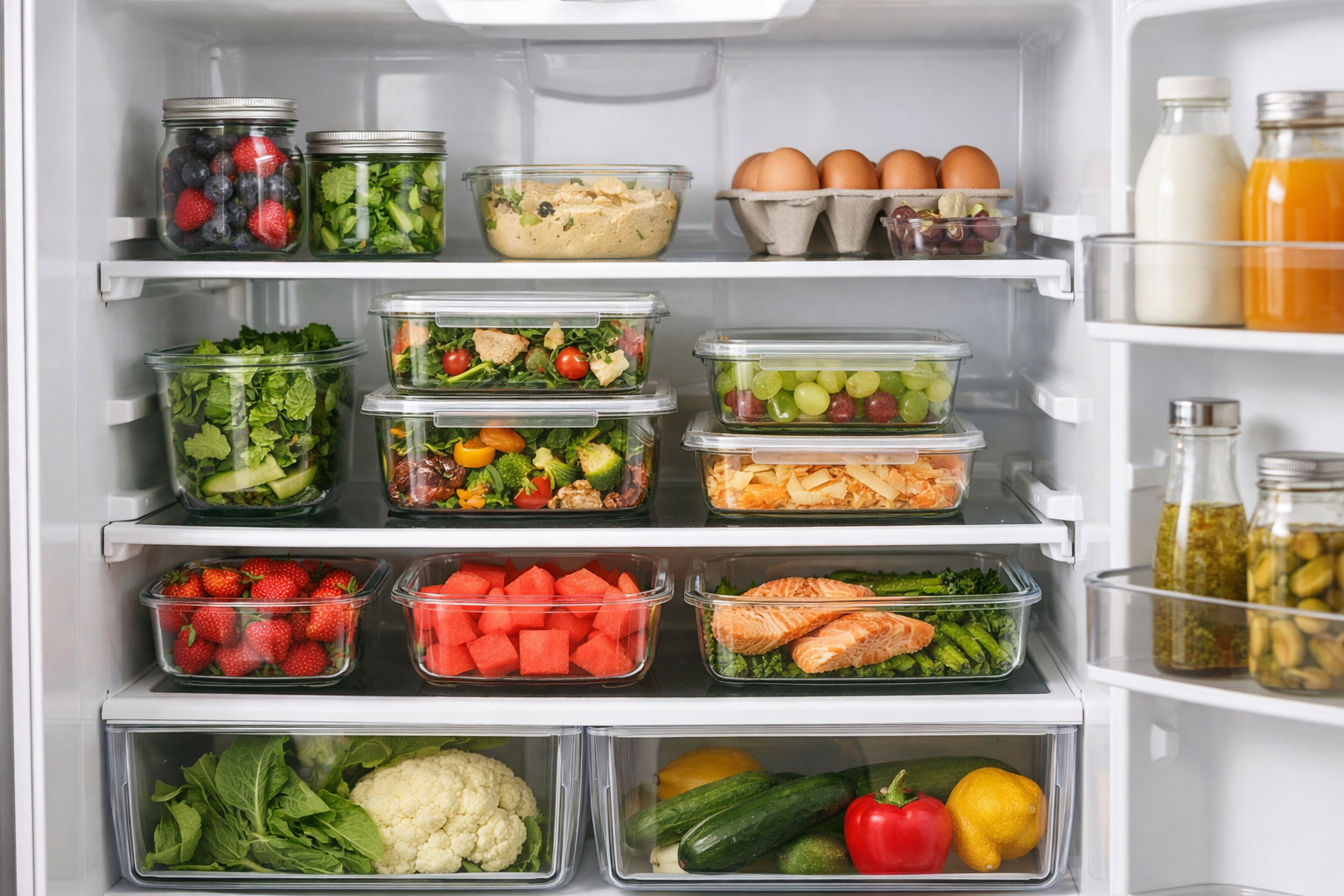
Selecting the right containers for leftovers is key to safety and quality. Use shallow, airtight containers made of food-safe materials like glass or BPA-free plastic. Shallow containers allow food to cool evenly and quickly in the fridge, reducing bacterial growth risk. Airtight seals prevent moisture loss, odors, and cross-contamination with other foods. Avoid storing leftovers in takeout boxes or foil that may not seal well. Label containers with the date to keep track of freshness.
Organize Your Fridge for Safety
Proper fridge organization helps prevent cross-contamination and ensures safe storage temperatures. Store raw meats on the bottom shelf in sealed containers to avoid drips onto ready-to-eat foods. Keep leftovers on upper shelves where temperatures are more consistent. Avoid overcrowding the fridge, which can block air circulation and cause uneven cooling. Maintain your fridge temperature at or below 40F using a refrigerator thermometer for accuracy.
Know How Long to Keep Leftovers
According to food safety guidelines, refrigerated leftovers should be eaten within 3 to 4 days. Beyond this timeframe, the risk of harmful bacteria increases even if the food looks and smells fine. If you don’t plan to consume leftovers within this period, freeze them promptly. Label frozen leftovers with the date and consume within 2 to 6 months depending on the food type for best quality. When in doubt, discard any leftovers that have been stored too long.
Reheat Leftovers Safely
Reheating leftovers properly kills bacteria that may have multiplied during storage. Heat food to an internal temperature of 165F or until steaming hot throughout. Use a food thermometer to check the temperature, especially for dense or thick dishes. Reheat only the portion you plan to eat to avoid repeated cooling and reheating cycles, which increase contamination risk. Avoid microwaving in sealed containers that can trap steam and cause uneven heating.
Regularly Clean Your Refrigerator
A clean fridge is essential for minimizing food contamination. Spills and spoiled food can harbor bacteria and mold that spread odors and germs. Clean shelves, drawers, and door seals regularly with mild soap and warm water. Avoid harsh chemicals that might leave residues. Check expiration dates and remove old or spoiled items promptly. Regular maintenance helps your fridge run efficiently and keeps your food environment safe.
Tips for Safe Leftover Management
- Cool hot leftovers quickly by dividing large portions into smaller containers.
- Avoid mixing fresh food with older leftovers to prevent cross-contamination.
- Keep your fridge door closed as much as possible to maintain stable temperatures.
- Store leftovers away from raw produce to minimize allergen and germ transfer.
When to Discard Leftovers
Even with the best habits, leftovers can become unsafe. Signs that leftovers should be discarded include unusual odors, slimy or sticky texture, discoloration, or mold growth. Never taste leftovers to check safety-they may contain harmful bacteria or toxins invisible to sight and smell. When in doubt, it’s safer to throw food away than risk illness. Practicing cautious food disposal protects you and your household.
Maintaining safe fridge habits for leftovers is a simple yet effective way to reduce foodborne illness risk. Prompt refrigeration, proper container use, organized storage, and regular cleaning all contribute to safer meals. Being mindful of leftover storage times and reheating thoroughly ensures your food stays nutritious and enjoyable. By adopting these practical steps, you can confidently manage leftovers and support your family’s health through safe food practices.