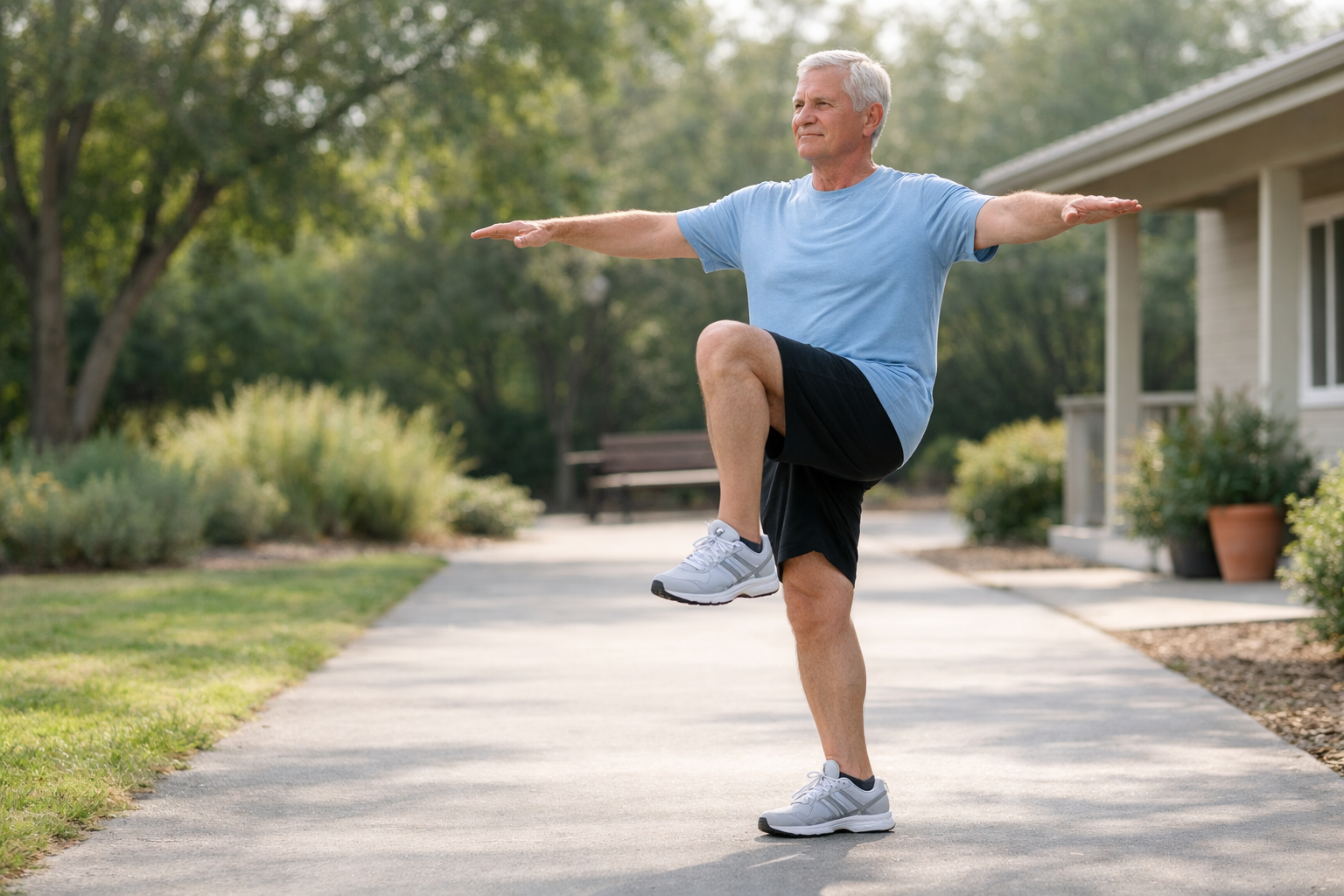
Balance exercises are essential for older adults to maintain stability and prevent falls; discussing suitable activities with a clinician ensures safety and personalized care.
Maintaining good balance is crucial for older adults to stay independent and safe in their daily activities. Balance exercises can help improve stability, coordination, and muscle strength, reducing the risk of falls-a common cause of injury in seniors. Before starting any new exercise routine, it is essential to discuss balance exercises with a clinician, who can provide guidance tailored to individual health conditions and capabilities.
Why Balance Exercises Matter for Older Adults
As people age, natural changes occur in the sensory systems that control balance, including vision, proprioception (the sense of body position), and the vestibular system in the inner ear. Muscle strength and reaction times also tend to decline, making it harder to recover from trips or slips. Regular balance exercises help counteract these changes by enhancing muscle coordination and improving the body’s ability to respond to instability.
For example, simple movements like standing on one foot or walking heel-to-toe can stimulate the nervous system to maintain equilibrium. These exercises can be part of a broader fitness plan that includes aerobic and muscle-strengthening activities, aligning with CDC recommendations for older adults.
Common Types of Balance Exercises
Several balance exercises are effective and safe when done correctly. Here are some examples that a clinician might recommend, depending on individual health status:
- Single-Leg Stands: Standing on one foot while holding onto a sturdy surface for support initially, then progressing to no support as balance improves.
- Heel-to-Toe Walk: Walking in a straight line, placing the heel of one foot directly in front of the toes of the other.
- Tai Chi: A gentle form of martial arts focusing on slow, controlled movements that enhance balance and flexibility.
- Seated Marching: While seated, lifting knees alternately to simulate marching, which can improve hip flexor strength and coordination.
These exercises can be adjusted in intensity to suit different fitness levels. Always consult with a clinician before trying new movements, particularly if you have conditions such as arthritis, osteoporosis, or neurological disorders.
Safety Considerations When Exercising
Safety is paramount when incorporating balance exercises. Older adults should perform exercises in a safe environment, free of clutter and with sturdy furniture or walls nearby for support. Wearing non-slip shoes is also important to prevent slips during practice.
Clinicians can help identify any medical concerns that might affect exercise safety, such as dizziness, heart conditions, or medication side effects that influence balance. They may also recommend supervision or the use of assistive devices during exercises to minimize fall risk.
How to Discuss Balance Exercises With Your Clinician
When preparing to talk with a clinician about balance exercises, consider these steps:
- Describe Your Current Activity Level: Share what types of physical activities you currently do and how often.
- Mention Any Recent Falls or Near-Falls: This information helps assess your fall risk.
- Discuss Any Symptoms: Include dizziness, unsteadiness, or joint pain.
- Ask About Safe Exercises: Request specific recommendations tailored to your health and fitness.
- Inquire About Referral: Ask if a referral to a physical therapist or exercise specialist is appropriate.
Bringing a list of questions or concerns to your appointment can help you get the most out of the discussion.
Incorporating Balance Exercises Into Daily Life
Once you have clinician approval, integrating balance exercises into your daily routine can be simple and effective. For example, you might practice standing on one foot while brushing your teeth or wait in line by shifting your weight from side to side. Consistency is key; even short daily sessions can yield improvements over time.
Additionally, group classes such as Tai Chi or senior fitness programs offer social engagement along with guided balance training. These settings often provide professional supervision, which can enhance safety and motivation.
Monitoring Progress and Adjusting Exercises
Tracking your progress can help you stay motivated and inform future conversations with your clinician. You might keep a journal noting how long you can hold a single-leg stance or how your confidence in walking on uneven surfaces improves.
If you experience any new symptoms, increased pain, or instability during exercises, stop and consult your clinician promptly. They may adjust your exercise plan or investigate underlying causes.
The Role of Nutrition and Hydration in Balance
While exercise is vital, nutrition and hydration also support balance and overall health. Adequate intake of calcium and vitamin D helps maintain bone strength, reducing fracture risk from falls. Staying hydrated prevents dizziness and lightheadedness, which can affect stability.
Following guidelines such as choosing heart-healthy foods rich in fruits, vegetables, whole grains, and lean proteins can promote energy and muscle function. Limiting added sugars, sodium, and saturated fats supports cardiovascular health, which indirectly benefits physical activity and balance.
Final Thoughts
Balance exercises are a valuable tool for older adults to maintain independence and reduce fall risk. Discussing these exercises with a clinician ensures that you choose safe, effective activities suited to your health status. By combining regular balance training with proper nutrition, hydration, and safety precautions, you can enhance your stability and confidence in daily movements. Remember to start slowly, listen to your body, and seek professional guidance whenever needed to make the most of your fitness journey.