Effective allergy season planning involves practical home and outdoor habits that reduce exposure to allergens, improve indoor air quality, and support overall respiratory health.
Understanding Allergy Triggers
Allergy season can bring discomfort and disrupt daily life for many people. Common allergens include pollen from trees, grasses, and weeds, as well as indoor triggers like dust mites, mold, and pet dander. Knowing what causes your symptoms is the first step in managing allergy season effectively. Outdoor pollen levels often peak in the morning and early evening, so timing outdoor activities can help reduce exposure. Being aware of local pollen forecasts can guide your daily plans and help you take preventive measures.
Creating an Allergy-Friendly Home Environment
Keeping your home a safe space is crucial during allergy season. Regular cleaning can reduce indoor allergens significantly. Use a vacuum with a HEPA filter to capture fine particles and dust mites. Wash bedding weekly in hot water to eliminate dust mites and pollen that may have settled. Consider using allergen-proof covers on mattresses and pillows. Maintaining low indoor humidity (between 30% and 50%) discourages mold growth, which is another common allergen. Using a dehumidifier or air conditioner can help control moisture levels.
Managing Outdoor Spaces to Reduce Allergens
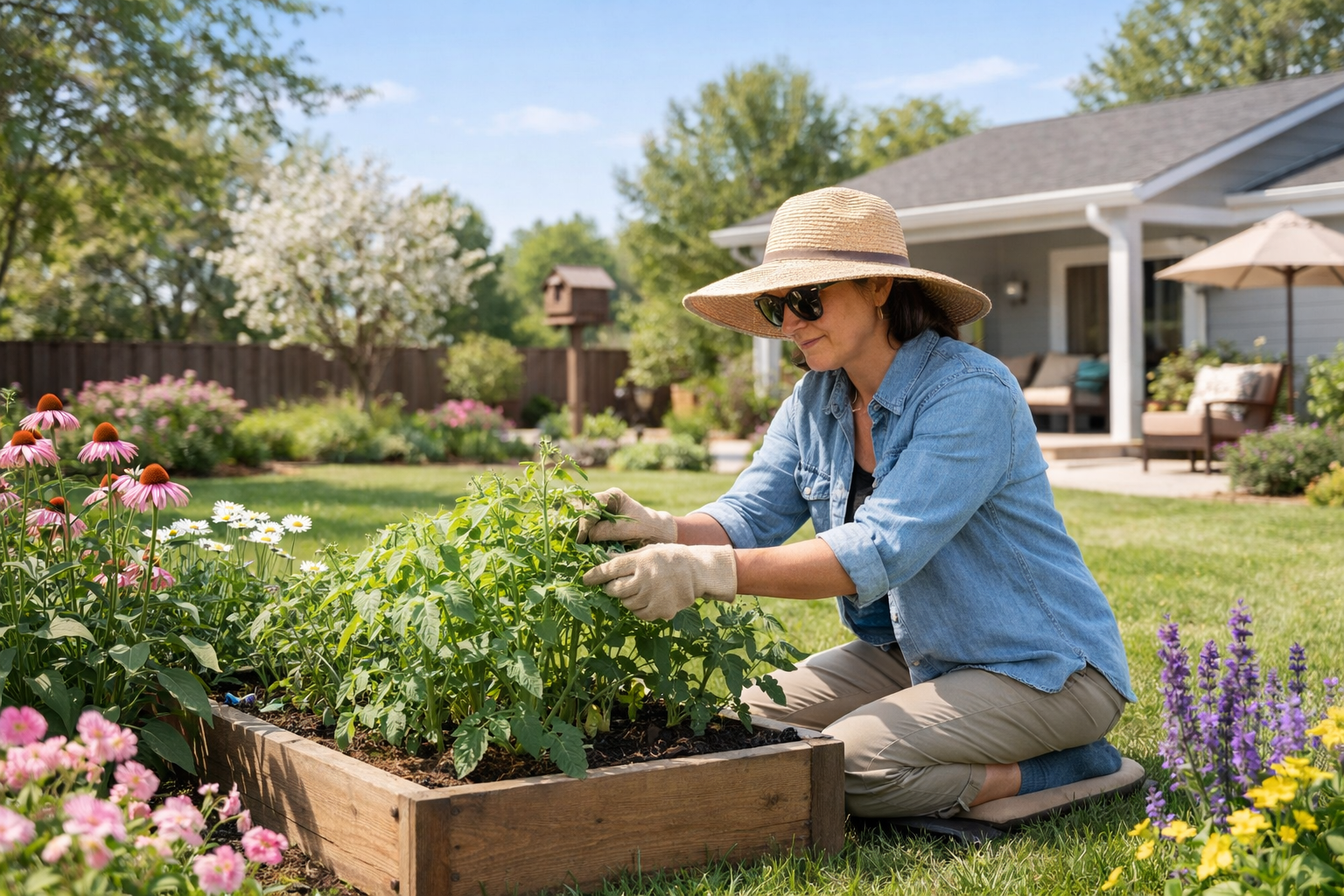
Your yard and garden can be sources of allergens if not managed carefully. Planting low-pollen or non-allergenic plants can reduce pollen exposure around your home. Avoid planting highly allergenic species like certain types of grasses or trees known to produce large amounts of pollen. Regularly mowing your lawn and trimming shrubs can prevent overgrowth that traps pollen and mold spores. Removing leaf litter and debris helps reduce mold growth. If possible, water your lawn and garden in the early morning or late evening to minimize pollen release during the day.
Timing Outdoor Activities Wisely
Planning your time outdoors can make a big difference in managing allergy symptoms. Pollen counts are usually highest early in the morning and on windy days. Try to schedule outdoor exercise or chores for later in the day when pollen levels decline. Wearing sunglasses and a wide-brimmed hat can help keep pollen out of your eyes and hair. After spending time outside, change clothes and shower to remove pollen from your skin and hair, which can reduce the chance of bringing allergens indoors.
Using Air Filtration and Ventilation
Indoor air quality plays an important role in allergy management. High-efficiency particulate air (HEPA) filters can capture pollen, dust, and other airborne allergens. Consider using portable HEPA air purifiers in bedrooms and living areas. When outdoor pollen counts are high, keep windows and doors closed to prevent allergens from entering. Use exhaust fans in bathrooms and kitchens to reduce humidity and prevent mold growth. Regular maintenance of heating and cooling systems, including filter changes, can improve air quality.
Personal Habits to Support Respiratory Health
Simple daily habits can help reduce allergy symptoms and support your respiratory system. Staying well-hydrated helps keep mucus membranes moist, which can reduce irritation from allergens. Avoid smoking and exposure to secondhand smoke, as it can worsen allergy symptoms and increase respiratory inflammation. Consider wearing a mask during high pollen days or when doing yard work to limit inhalation of allergens. If you have asthma or other respiratory conditions, follow your clinician’s action plan closely during allergy season.
Monitoring Symptoms and Seeking Care
Keep track of your allergy symptoms and note any changes. Over-the-counter antihistamines and nasal sprays can provide relief for mild symptoms, but it is important to use them as directed. If symptoms persist, worsen, or interfere with your daily activities, consult a qualified healthcare provider. They can help identify specific allergens through testing and recommend appropriate treatments, including prescription medications or immunotherapy. Effective communication with your clinician about your symptoms and triggers supports better management.
Practical Checklist for Allergy Season Planning
- Monitor local pollen forecasts regularly
- Clean and vacuum your home weekly with HEPA filters
- Wash bedding in hot water weekly
- Control indoor humidity between 30% and 50%
- Choose low-pollen plants for your yard
- Schedule outdoor activities for late morning or afternoon
- Shower and change clothes after outdoor exposure
- Use HEPA air purifiers indoors
- Keep windows and doors closed when pollen counts are high
- Stay hydrated and avoid smoke exposure
- Follow your clinician’s advice and action plan
Planning ahead and adopting these simple habits can make allergy season more manageable. By reducing allergen exposure both at home and outdoors, you protect your respiratory health and improve your comfort. Remember, if you have persistent or severe symptoms, a healthcare professional can provide personalized guidance and treatment options.